Does Homeowners Insurance Cover Wildfires? What's Covered and What's Not
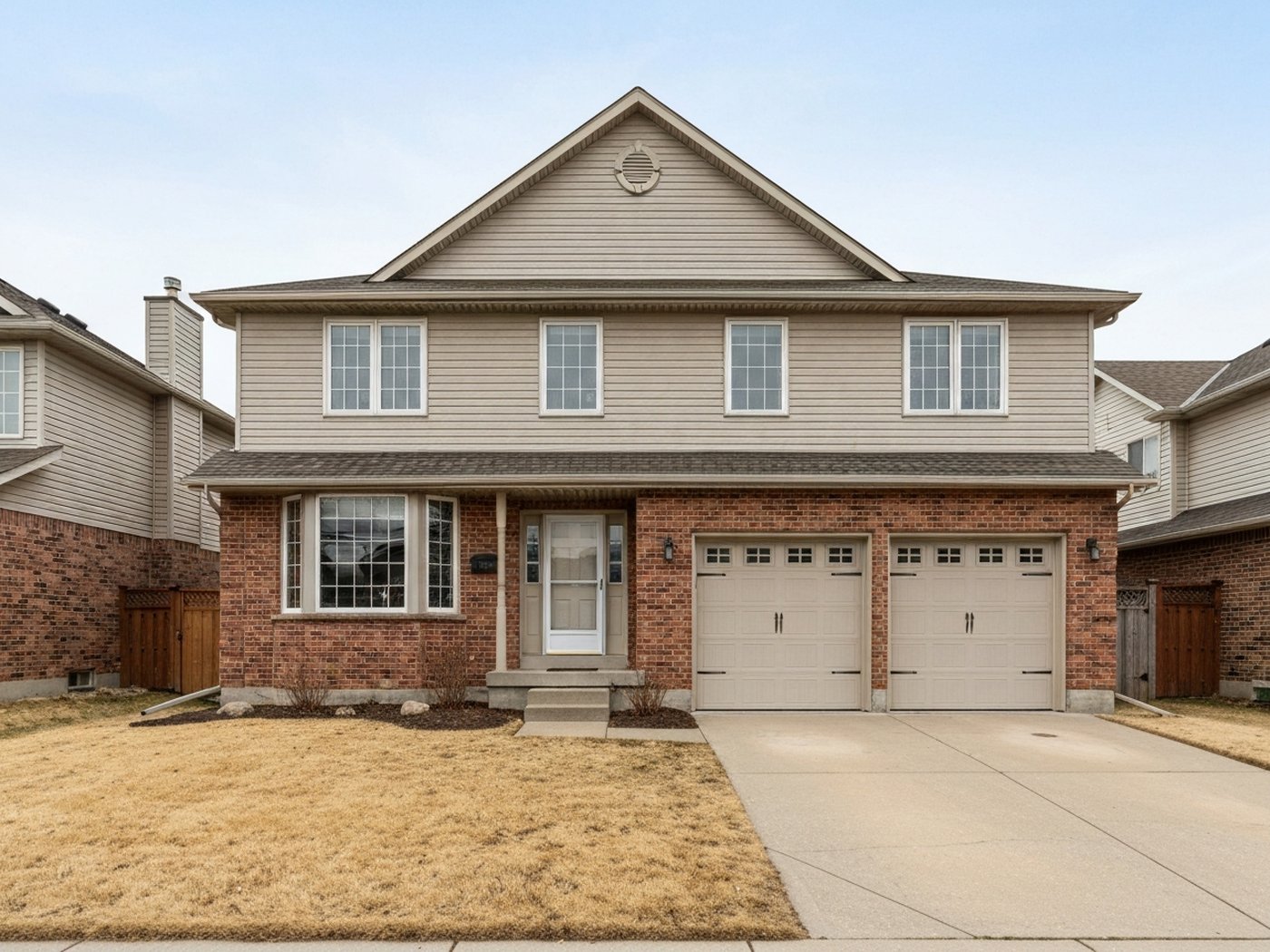
Most people ask “does homeowners insurance cover wildfires” and feel relieved when the answer is yes. The better questions come right after that.
What standard homeowners insurance covers
A standard HO-3 policy organizes coverage into four buckets. If you ever file a wildfire claim, an adjuster will use these same terms, so knowing them now saves confusion later.
Dwelling (Coverage A). Your home’s structure: walls, roof, attached garage, built-in features. If a wildfire levels it, Coverage A pays to rebuild up to your policy limit. That limit is the number that makes or breaks a total-loss claim, and it’s the one most people haven’t looked at since they bought the house.
Other structures (Coverage B). Detached buildings on the property: a freestanding garage, shed, fence, guesthouse. Usually set at 10 percent of the dwelling limit, which can feel thin once you price a replacement fence or outbuilding in post-disaster lumber markets.
Personal property (Coverage C). Your belongings: furniture, clothing, electronics, tools in the garage. Whether this pays replacement cost (what it costs to buy it new today) or actual cash value (replacement cost minus depreciation) matters enormously, and the answer isn’t always consistent within the same policy. Sub-limits apply to specific categories: jewelry, firearms, fine art, and business equipment often have caps in the $1,000 to $2,500 range unless you add a scheduled rider.
Loss of use (Coverage D), also called additional living expenses. When you can’t live in the home during repairs or rebuild, this pays the gap between your normal living costs and what displacement actually costs: a rental, hotel nights, restaurant meals above your grocery budget. After a wildfire that keeps you out for 12 to 18 months of rebuilding, this coverage matters far more than people expect. Time limits and dollar caps vary by policy, so find yours before you need it.
Smoke and ash damage is generally covered under the same fire peril even if the fire never touched your property. A wildfire burning ten miles away can fill a home with soot and foul the HVAC system. Remediation costs are real. Document damage photographically before you clean anything, and keep every invoice.
What’s not covered, or where coverage runs short
The basics are fairly broad. The gaps are where people get hurt.
Personal property sub-limits. Your general personal property limit might be $150,000, but your jewelry appraisal, your gun collection, and your grandmother’s paintings might together exceed the per-category caps on a standard policy. If you own items of meaningful value in categories that carry sub-limits, ask your insurer about a scheduled personal property endorsement before fire season.
Business property on your premises. Standard personal property coverage typically limits business equipment to around $2,500 on premises. If you work from home with specialized gear, a home business rider or a separate commercial policy is the right fix.
Vehicles. A car or truck burned in your garage is not covered under homeowners insurance. It’s covered, if at all, under the comprehensive portion of your auto policy. Same logic applies to boats and ATVs, which may need their own policies.
Flood and debris flow after a fire. Burned ground loses its ability to absorb rain. Post-fire debris flows can send mud and water into homes that survived the fire itself. That damage is typically classified as flood, covered under a separate NFIP or private flood policy, not your homeowners policy. This is a genuine risk in the same burn zones that just had wildfire, and it catches people off guard.
Vacant or unoccupied homes. Most policies reduce or suspend coverage if a home sits empty past a threshold, often 30 to 60 days depending on the policy language. Seasonal homes, cabins, and homes between tenants can fall into this gap. A vacancy endorsement is the solution if a property will sit empty.
Disputed damage scope. This isn’t a formal exclusion, but it functions like one. Smoke odor that persists after cleaning, heat-warped materials that are technically intact, or partial soot damage can become disputes about what qualifies as covered loss versus normal wear. Thorough documentation is the only protection: photograph every affected room from multiple angles, get written remediation estimates, and don’t discard damaged property before the adjuster inspects it.

If your policy pays personal property at actual cash value rather than replacement cost, depreciation comes out before the check is written. A 12-year-old appliance paid at ACV won't come close to replacing itself. Know which basis applies to your policy before you need to file.
The underinsurance problem
This is, by a wide margin, the most common reason homeowners come out of a total loss in worse shape than they expected.
Your dwelling limit was probably set when you bought the home or at some renewal years back without much scrutiny. Construction costs have climbed sharply since then. After a major wildfire, demand surge compounds it: when an entire neighborhood rebuilds simultaneously, labor and materials get competed for all at once, and per-square-foot rebuild costs can jump 20 to 40 percent above normal market rates. The Insurance Information Institute (III) has documented this pattern repeatedly. The homeowner who was “covered” finds out the hard way that covered and whole are different things.
Two endorsements exist to help close the gap. Extended replacement cost pays a stated percentage above your dwelling limit if rebuild costs exceed it, often 25 to 50 percent above depending on the insurer, giving a buffer against cost overruns. Guaranteed replacement cost is more comprehensive: it pays the actual rebuild cost regardless of your limit. It’s harder to find and more expensive, but it eliminates the ceiling problem entirely. Ask your insurer or an independent agent which applies to your current policy, and review your dwelling limit at every annual renewal against current local construction cost estimates, not your home’s market value.

Pull out your declarations page and look at your Coverage A dwelling limit right now. If you haven't reviewed it in two or more years, it may lag current rebuild costs by a meaningful margin. One conversation with your agent can close that gap before it matters.
Coverage availability: when insurers pull back
Getting a wildfire claim paid is one problem. Getting coverage in the first place, or keeping it, is a separate and growing problem in high-risk areas.
Insurers have been exiting or restricting coverage in wildfire-exposed markets across the West and increasingly in other regions. California has received the most attention, but Colorado, Oregon, and parts of Texas, Florida, and New Mexico face similar pressure. Non-renewals have hit homeowners who never filed a claim and who made serious mitigation investments. The National Association of Insurance Commissioners (NAIC) and state insurance departments have issued consumer guidance, and some states have imposed temporary non-renewal moratoriums after declared disasters. Even so, the market is tighter than it was five years ago in many wildfire-prone ZIP codes.
If you receive a non-renewal notice: ask your current insurer for the specific reason, shop other carriers immediately (independent agents can quote several at once, and underwriting appetites vary), and contact your state Department of Insurance about protections and options that apply in your state. A coverage gap, even a short one, makes the next policy harder and more expensive to obtain. Don’t let a notice expire without acting.
FAIR plans: the last-resort option
When the standard market won’t write you, most wildfire-prone states have a FAIR plan (Fair Access to Insurance Requirements): a state-organized insurer of last resort for properties that carriers won’t cover in the voluntary market. California, Colorado, Oregon, and Texas (where it operates as the Texas FAIR Plan Association) all run one, and most high-risk states have some version.
A FAIR plan is a backstop, not a substitute for a standard policy. Coverage is typically narrower and more expensive than a comparable admitted policy. It usually covers the dwelling structure and fire, but not liability, leaving you to buy a separate “difference in conditions” (DIC) wrap policy to fill in liability and other perils. Coverage limits can also run below what you need for full rebuild value.
That said, a FAIR plan paired with a DIC wrap may be the only realistic path to maintaining any coverage on a home in the highest-risk tiers. The wildfire home insurance guide goes deeper on how FAIR plans work state by state, and our what is a FAIR plan overview is the place to start if this is new territory.
How home hardening connects to coverage
Underwriting has shifted from neighborhood-level risk scoring toward individual property evaluation. That’s actually useful news, because the factors that drive ember ignition at a specific house are mostly within a homeowner’s control.
Most homes lost in a wildfire don’t go because a wall of flame rolled over them. IBHS research has documented this for years: wind-blown embers land on roofs, slip into vents, and settle into dry debris on decks and in gutters well ahead of the fire front. Cal Fire’s Defensible Space guidelines and the IBHS Wildfire Prepared Home program both trace the same ignition sequence: ember lands on ignitable material, fire starts. Address the ignitable material and you interrupt the chain.
On the insurance side, a few practical things follow. In California, admitted carriers must offer mitigation discounts under the state’s Safer from Wildfires framework. In other states, discounts vary by carrier and there’s no mandate, so you have to ask directly. An IBHS Wildfire Prepared Home designation gives you credible third-party documentation of your mitigation work, which some carriers recognize. Firewise USA, an NFPA community certification program, can help at the neighborhood level. Whether you get a discount, being documented as a hardened home also improves your standing if you’re shopping after a non-renewal.
The gutters deserve a specific mention here because it’s where I spend my working days. A gutter packed with dry pine needles or leaf litter is a strip of kindling running the full perimeter of the roof at its most vulnerable seam: the junction of the roof sheathing, the fascia, and the eave. I’ve pulled what amounts to a bag of kindling out of gutters on homes whose owners assumed the roofline was fine. An ember landing in that debris has fuel, air, and direct proximity to structure. Clearing that material, either by staying on a rigorous cleaning schedule or installing a noncombustible fine stainless-steel micro-mesh gutter guard, removes a real ignition point that also happens to be one underwriters and IBHS evaluators look at. Document it when you do it: dated photos of clean gutters and any installation receipts. For the full mitigation checklist from Zone 0 through Zone 2, the wildfire home hardening guide lays out the priorities in sequence.
Frequently asked questions
Does smoke damage from a wildfire count as a covered loss? Generally yes. Smoke originates from fire, a covered peril, so soot, ash, and smoke damage to your home and personal property is typically covered under a standard policy even if the fire never reached your property. Document the damage thoroughly before cleaning, retain all remediation invoices, and avoid discarding damaged items before an adjuster has reviewed them. Smoke claims can receive more scrutiny than total-loss claims, so your documentation does more work here than it would in a straightforward rebuild scenario.
Will insurance pay to rebuild at today’s construction costs? Only up to your dwelling coverage limit, and only if that limit reflects what construction actually costs today in your market. After a major wildfire, demand surge in affected areas can push rebuild costs 20 to 40 percent above pre-disaster norms. Ask your insurer about extended replacement cost or guaranteed replacement cost endorsements, both of which provide a buffer above the stated limit. Review your Coverage A limit every year at renewal.
What do I do if my insurer non-renews me? Act quickly. Shop other carriers before the policy lapses, because a coverage gap makes the next policy harder to obtain. An independent agent can quote multiple insurers at once. Contact your state Department of Insurance to ask about consumer protections, moratorium rules if a disaster was recently declared, and available options. If the standard market won’t write you, your state’s FAIR plan exists as a last resort. Making and documenting mitigation improvements improves your chances of returning to the standard market when the policy period is up.
Can home hardening actually lower my wildfire insurance premium? It can, though how much and whether it does depends on your state and your specific insurer. California requires admitted carriers to offer Safer from Wildfires discounts for documented mitigation work. Other states have no such mandate, but some carriers offer credits anyway. Ask your insurer directly: which mitigation factors do you consider, and what documentation do I need to qualify. An IBHS Wildfire Prepared Home designation and participation in a Firewise USA community program are credible third-party verifications that some carriers recognize when reviewing both premiums and renewability.
Related guides
Indiana FAIR Plan Insurance: Coverage of Last Resort
What Indiana homeowners need to know about the Indiana FAIR Plan: what it covers, what it leaves out, and how to fill the gaps if the standard market won't write you.
Read the guide →Wildfire Insurance Coverage: What a Standard Policy Includes
A standard HO-3 policy covers wildfire, but the four coverage types, your limits, and key endorsements determine how much protection you actually have.
Read the guide →Minnesota FAIR Plan Insurance: A Homeowner's Guide
How Minnesota's FAIR Plan works for homeowners in fire-risk areas: coverage specifics, typical costs, and the gaps you need to fill with a separate policy.
Read the guide →Keep ignitable debris out of your roofline
Get a free, no-obligation LeafFilter gutter-protection assessment. Fine micro-mesh keeps leaves and pine needles out of the gutters, the spot where wind-blown embers love to land. Booking through us supports this site.
Get a free LeafFilter assessment →