After the Wildfire: Filing Your Insurance Claim
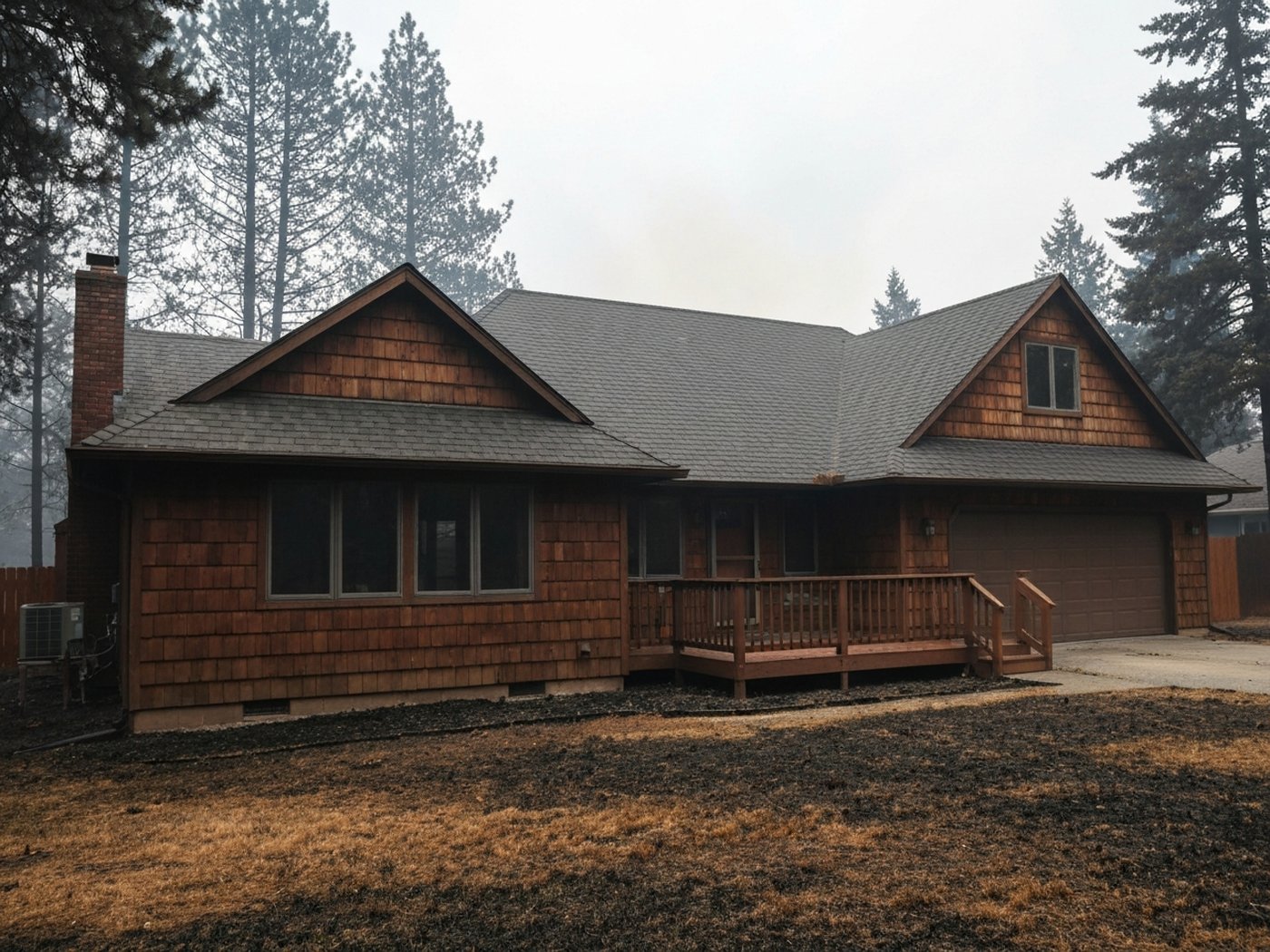
If your home was damaged or destroyed in a wildfire, you’re probably already dealing with more decisions than any one person should have to make at once. The insurance claim is one of the biggest, and there are mistakes that get made in the first few days that cost real money later. Here’s a practical walkthrough of the process, from that first call to final settlement, with the traps that tend to catch people flagged along the way.
Make the first call fast, and know what it starts
Call your insurer’s claims line as soon as it’s safe to do so, even if you’re still evacuated and can’t inspect the property. Most policies require “prompt notice” after a loss. Delaying can give the insurer grounds to push back on coverage. Have your policy number ready. You’ll get a claim number and the name of an adjuster; write both down and keep them somewhere you can find them without a working computer. If your insurer has an app or online claims portal, use it too, since it timestamps the filing automatically.
Ask two things on this first call. One: what should I do right now to protect the property from further damage? Most policies cover emergency protective measures, like tarping an exposed roof section or boarding a broken window, without pre-approval. Keep every receipt for those. Two: what’s the timeline from here? The answer varies, but getting it on record orients you for the weeks ahead.
Document before anything else
Do not move debris. Do not start cleanup. Do not throw away anything damaged. The most important thing you can do in the first 24 to 48 hours, once it’s safe to access the property, is document the full extent of the damage before anything changes.
Walk the property and shoot photo and video of every room, every exterior wall, the roof from the ground or a safe vantage point, outbuildings, and the yard. Inside, open the closets, capture the shelves, get serial numbers and model numbers on appliances where you can still read them. A burned-up appliance and a smoke-ruined couch are both legitimate personal property claims, but only if you can show they existed.

The gutter line and roofline are the first spots I document on any exterior inspection. Photograph them from multiple angles before anyone touches them. Showing documented condition and debris load before the fire can matter to your claim.
For the structure itself, get the foundation, every exterior wall, the roof edge, the eaves, vents, and the gutters. If you had hardening work done before the fire, those details belong in your documentation file too. Dated before-the-fire photos of a maintained and hardened home carry real weight at claims time.
What the adjuster visit looks like
The insurer will send an adjuster to inspect the property. In a major disaster, like a wildfire that burned dozens or hundreds of homes, adjusters get stretched thin and your inspection date may be weeks out. That is normal; it doesn’t mean you wait to document or skip emergency protective measures.
The adjuster’s job is to assess covered damage and generate an estimate. That estimate will use line-item pricing software (Xactimate is the industry standard) to value labor and materials at current rates. Keep your own notes during the inspection: walk along with the adjuster, point out damage you see, and ask what’s being captured. The goal is not to argue; it’s to make sure nothing gets missed.

Don't start permanent repairs before the adjuster signs off. Emergency tarps and board-ups are fine, but replacing a roof or rebuilding a wall before the inspection can complicate or reduce your payout.
After the inspection, you’ll get a written estimate. Review it carefully against your own documentation. Line items get missed or undervalued, especially for contents, specialty finishes, and smoke damage to the structure. If something is wrong, the time to say so is now, before you accept a payment.
Loss-of-use coverage: track everything
If you can’t live in your home while it’s repaired or rebuilt, your policy’s loss-of-use coverage kicks in. It pays the difference between what you’re spending now and what you normally spent at home: the hotel or rental cost, meals above your usual grocery budget, laundry costs, and some transportation if you’re displaced far from your normal area.
Keep a receipt for everything. A folder in your email (or a physical folder) where every hotel confirmation, restaurant receipt, and Airbnb charge lands is going to matter. Insurers pay what you can document. Most policies cap ALE at a percentage of your dwelling coverage (20 to 30 percent is common, though your policy number governs), or at a set number of months. California state law sets a minimum 24-month ALE period following a declared wildfire disaster. Other states have different rules; your state Department of Insurance is the authoritative source.
Contents claims: work room by room
The personal property portion of a wildfire claim is often the most labor-intensive piece, and the most underestimated. A destroyed home doesn’t have one or two damaged items; it has thousands, and most of them need to be documented individually to get paid.
Work room by room. Pull from memory, old photos, home videos, and bank and credit card records for purchases. A spreadsheet with item description, approximate purchase year, and estimated replacement cost is a reasonable starting framework. The Insurance Information Institute recommends a home inventory before disaster strikes for exactly this reason. Most people don’t have one ready; do what you can.
If your policy covers personal property at replacement cost rather than actual cash value, you’ll typically get two payments: an initial payment at depreciated value, then a supplement when you actually replace the item and show proof. That distinction matters for furniture, electronics, and anything else with significant depreciation. Check your policy before you assume.
When the estimate is too low
This is common, particularly in large wildfire events. Demand surge drives up construction costs in the area while the pricing software may lag, and complex damage is easy to miss on a first walk-through. Getting an independent estimate from a licensed contractor is a legitimate step before accepting a payment.
A public adjuster works for you, not the insurer. They’re paid a percentage of your final settlement, typically 10 to 15 percent, with some states capping the fee lower. They know how to read and challenge Xactimate estimates, and they can earn their fee on a large or contested claim. Ask to see their state license and check references. For a straightforward partial loss with a clear estimate, they’re probably not worth it. For a complicated total loss, the math can work out.
If you and the insurer can’t reach agreement, most policies include an appraisal clause: each side hires an appraiser and a neutral umpire decides disputed amounts. This is slower and more formal, but it’s your right under the policy. Filing a complaint with your state Department of Insurance is another lever; regulators take wrongful denials and lowball settlements seriously. The NAIC maintains a consumer guide that points to each state’s Department of Insurance; it’s worth bookmarking.
If the area is a federally declared disaster
A federal disaster declaration unlocks FEMA’s Individual Assistance program. This is separate from your insurance claim, not a replacement for it. FEMA grants cover gaps that insurance doesn’t reach: temporary housing, some medical costs tied to the disaster, and certain household items. The amounts are modest (most individual grants run well under $50,000, and many are far lower), but they help when insurance leaves a gap. Register at DisasterAssistance.gov if the area qualifies. You don’t have to wait for your insurance settlement; both processes run in parallel.
State emergency management agencies often run their own grant and navigator programs for wildfire survivors. A navigator service, where available, can help you work through both the FEMA and insurance processes at once. Cal OES in California, Oregon’s Office of Emergency Management, and county emergency management offices in high-risk areas are the places to look depending on where you are.
Your pre-fire documentation now earns its keep
If you hardened your home before the fire, now is when it counts twice. A fire-rated roof, ember-resistant vents, cleared Zone 0, maintained and clean gutters: these reduce the chance of ignition, and they matter to your claim in a second way. Documented mitigation work shows your home’s condition before the fire, which can support conversations with your adjuster about covered damage and the home’s baseline condition. Some carriers and state programs, including California’s “Safer from Wildfires” framework and IBHS’s “Wildfire Prepared Home” designation, reward demonstrated hardening. Discounts and eligibility vary by insurer and state; ask your carrier directly what you need to document and qualify for.
The overlap between fire resilience and what makes a claim go well is one of the reasons hardening is worth doing even if you never file a claim. For the full picture of what hardening involves and how it connects to keeping coverage long-term, the wildfire home insurance guide is the place to start. If you’re still in the “is this covered” phase before filing, does homeowners insurance cover wildfire covers the policy basics and the common exclusions that catch people off guard. For the preparation steps before the next fire season, the wildfire preparedness checklist lays them out in order.
FAQ
How long does a wildfire insurance claim take? It varies by insurer, state law, and the complexity of the loss. California requires insurers to acknowledge a claim within 15 days and accept or deny it within 40 days of receiving proof of loss. Other states have different statutory timelines; check with your state Department of Insurance for the exact rules in your state. In a major disaster event with many simultaneous claims, the practical timeline for full settlement on a total loss often runs six months to over a year. Loss-of-use coverage is designed to bridge exactly that gap.
Should I hire a public adjuster? For a straightforward partial loss with a clear estimate, probably not. For a total loss, a large or complex claim, or a disputed estimate, a public adjuster can be worth the 10 to 15 percent fee. Ask for their state license, check references, and confirm their fee structure up front because some states cap the percentage by law. Interview more than one before deciding.
What happens if my insurer denies the claim? Ask for the denial in writing and the specific policy language they’re citing. Then consider an independent path: a licensed contractor’s damage assessment, a public adjuster’s review, or a consultation with a policyholder attorney. File a complaint with your state Department of Insurance; regulators track denial patterns especially after large disaster events. Most policies also include an appraisal clause for disputed valuations, which is a faster route than litigation for disagreements about dollar amounts.
Can I be non-renewed after filing a wildfire claim? State laws differ significantly here. Some states, including California, restrict non-renewals for policyholders in a declared wildfire disaster area for a set period after the event. Filing a claim doesn’t automatically trigger a non-renewal, but being in a high-risk zone does affect underwriting. Document your mitigation work, review your policy at renewal, and monitor your state Department of Insurance for current consumer protections. If you do get a non-renewal, shop other carriers before assuming you have no options; underwriting appetites vary, and an independent agent can quote several at once.
Related guides
Best Air Purifiers for Wildfire Smoke
How to choose an air purifier for wildfire smoke: why you need true HEPA plus activated carbon, how to size it right, and what else to do when AQI spikes.
Read the guide →Wildfire Preparedness Checklist for Homeowners
A practical wildfire preparedness checklist covering defensible space, home hardening, evacuation planning, and insurance documentation.
Read the guide →Wildfire Evacuation Levels Explained (Ready, Set, Go)
Know what Ready, Set, and Go actually demand of you before the next wildfire alert hits your phone, because Level 3 is too late to start planning.
Read the guide →Keep ignitable debris out of your roofline
Get a free, no-obligation LeafFilter gutter-protection assessment. Fine micro-mesh keeps leaves and pine needles out of the gutters, the spot where wind-blown embers love to land. Booking through us supports this site.
Get a free LeafFilter assessment →