Does Homeowners Insurance Cover Wildfire Damage?
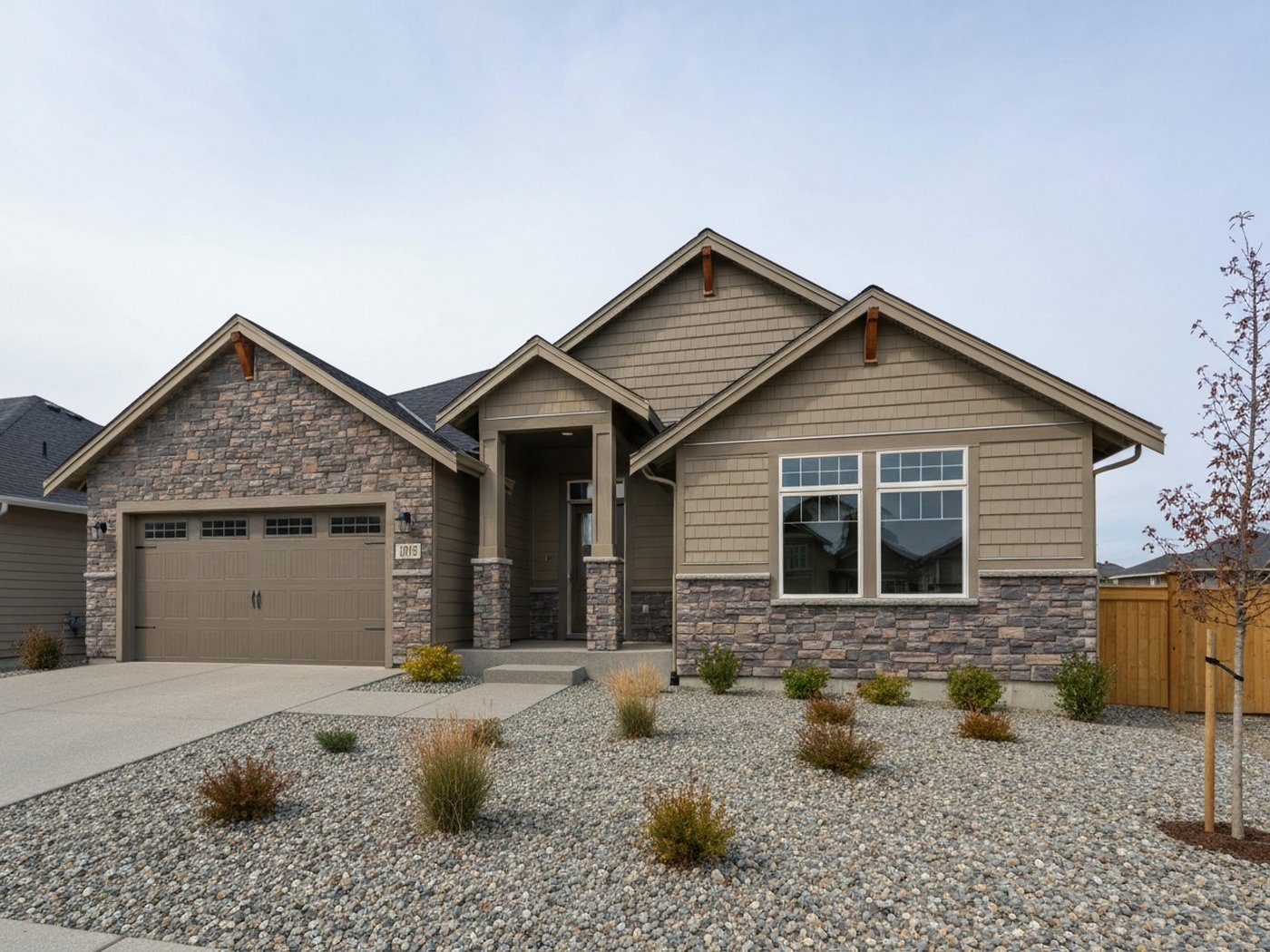
I want to clear up a worry first, then spend most of this article on the part that actually trips people up. The “does it cover wildfire” answer is mostly reassuring. What it covers, how much, and whether you can keep the policy at all is where the real work is.
What a standard policy covers in a wildfire
Most homeowners in the US carry an HO-3 policy, and fire is a core named peril on it. Wildfire is treated the same as any other fire. Insurance Information Institute (III) materials describe this coverage in four buckets, and it’s worth knowing them by name because that’s how an adjuster will talk to you:
- Dwelling (Coverage A). The house itself, including the structure, the roof, attached features. If a wildfire burns it to the foundation, this is the coverage that rebuilds it, up to your limit.
- Other structures (Coverage B). Detached buildings: a separate garage, a shed, fences, a gazebo. Usually capped at a percentage of your dwelling limit.
- Personal property (Coverage C). Your belongings: furniture, clothing, electronics, contents. Often also a percentage of the dwelling limit, and some categories (jewelry, firearms, collectibles) have sub-limits.
- Loss of use (Coverage D), also called additional living expenses. If you can’t live in the home while it’s rebuilt, this pays the extra costs of staying elsewhere: a rental, restaurant meals above your normal grocery budget. After a wildfire that displaces you for months, this one matters more than people expect.
Renters insurance and condo (HO-6) policies cover personal property and loss of use as well. The landlord insures the building; the renter insures what’s inside it and their own displacement costs. If you rent in fire country without a policy, that’s a real and cheap gap to close. I walk through exactly what a renter is and isn’t covered for in does renters insurance cover wildfire.
Smoke and ash damage
A house doesn’t have to burn for a wildfire to wreck it. Smoke, soot, and ash can ruin interiors, contents, and air quality miles from the flames. Because that damage originates from a covered peril (fire), smoke and ash damage is generally covered under a standard policy too. People file for soot-coated walls, ash-fouled HVAC systems, and contents that smell like a campfire for a reason.
One caution: carriers may scrutinize smoke claims more closely than total losses, partly because the line between “damaged” and “needs a deep clean” is fuzzy. Photograph the soot, keep the cleaning and remediation invoices, and don’t toss damaged items before an adjuster sees them.
Common gotchas and exclusions
Here’s where I see homeowners get hurt, and almost none of it is about whether wildfire is covered.
Underinsurance. This is the big one. Your dwelling limit was probably set when you bought the home or last renewed without much thought. Construction costs have climbed hard, and after a major wildfire whole neighborhoods rebuild at once, which spikes labor and material prices in that area (sometimes called demand surge). If your limit is $400,000 and rebuilding now costs $550,000, you eat the difference. Ask your insurer about extended replacement cost (which pays a set percentage above your limit, often 25 to 50 percent depending on the policy) or guaranteed replacement cost where available. And review your dwelling limit every year, not your purchase price.
Actual cash value vs. replacement cost. Some policies, or some coverages within them, pay actual cash value, meaning depreciation comes out first. A 12-year-old roof reimbursed at depreciated value won’t replace itself. Know which basis your policy uses for the dwelling and for contents.
Vacant or unoccupied homes. If your home sits empty for an extended stretch (a common threshold is 30 or 60 days, but it varies), standard coverage can be reduced or suspended, and that can include fire. Seasonal cabins and homes under renovation are the usual casualties. If a property will sit empty, ask about a vacancy endorsement.
Debris removal limits. Clearing and hauling off a burned structure is expensive, and many policies cap debris removal at a percentage of your dwelling coverage. After a total loss that cap can fall short. Worth checking the number.
Documentation gaps. No exclusion, but it functions like one. If you can’t prove what you owned, you’ll struggle to be paid for it. A current home inventory (photos or video of every room, receipts for big items) is the cheapest insurance you’ll ever not buy.
The real issue: getting and keeping coverage in fire country
If you live in or near a high-risk area, the coverage question that keeps you up at night probably isn’t “will they pay a wildfire claim.” It’s “will they still cover me next year, and can I afford it.”
Insurers have re-priced and, in some states, pulled back from the highest-risk zones as wildfire losses mounted. Non-renewals have hit homeowners who never filed a claim. The National Association of Insurance Commissioners (NAIC) and state insurance departments have been tracking and responding to this, and the rules differ state by state. If you get a non-renewal notice, your first calls are to other carriers (their appetites differ, and an independent agent can shop several) and to your state Department of Insurance for consumer protections and options.
When the standard market won’t write you, most wildfire-prone states have a FAIR plan (Fair Access to Insurance Requirements): a state-organized insurer of last resort. Treat it as exactly that, a backstop. FAIR plan coverage is often narrower and pricier than a standard policy, and it may cover the dwelling and fire while you buy a separate wrap-around policy for liability and other perils. Rules and limits vary widely by state. I cover this in more depth in the wildfire home insurance guide, because keeping coverage is its own project.
How home hardening and documentation help you keep coverage
This is the part I actually get paid to think about. Underwriting has shifted from “is your neighborhood risky” toward “is your specific house likely to ignite.” That’s good news, because the things that make a home harder to ignite are mostly in your control, and some carriers and states now reward them.
Most homes in a wildfire don’t go up from a wall of flame. IBHS and Cal Fire research keeps showing the same thing: embers, blown ahead of the fire, land on roofs, slip into vents, and pile into the dry leaves and pine needles packed in gutters and against the foundation. One ember finding fuel is often all it takes. So the high-value moves are a fire-rated (Class A) roof, ember-resistant vents, clearing the first five feet around the house (Cal Fire calls it Zone 0), and keeping the roofline and gutters free of ignitable debris.
That last one is where I live professionally. A gutter packed with dry needles is a strip of kindling running the perimeter of your roof, sitting at the exact seam where roof, fascia, and eave meet. People spend real money on a Class A roof and then let that fuel ride along its edge all fire season. Clean it and keep it clean, either on a schedule (not in September when the smoke’s already in the air) or with a gutter-protection system that keeps debris out. If pine needles are your particular curse, I went deep on what works in best gutter guards for pine needles and fire debris.
On the insurance side, two things follow. In California, admitted insurers must offer wildfire-mitigation discounts under the state’s “Safer from Wildfires” framework, and a third-party IBHS “Wildfire Prepared Home” designation can help you prove your work to a carrier. Discounts and eligibility vary by insurer and state, so ask your own company directly: do you offer a mitigation discount, and what do I need to do and document to qualify. Either way, hardening and documenting can improve your odds of keeping coverage and getting back to the standard market if you’ve been non-renewed. Firewise USA (an NFPA program) is a credible place to start. For the full step-by-step, see the home-hardening pillar guide, and keep the keep-your-policy strategy from the wildfire home insurance guide handy alongside it.
Documentation ties it together. Dated photos of your roof, vents, cleared Zone 0, and clean gutters; receipts for the work; a current home inventory of your belongings. That file does double duty: it helps you argue for a discount or fight a non-renewal, and it makes any future claim go faster.
Frequently asked questions
Does homeowners insurance cover smoke damage from a wildfire? Generally yes. Because the damage comes from fire (a covered peril), smoke, soot, and ash damage to your home and contents is typically covered under a standard policy. Document it thoroughly and keep remediation invoices, since smoke claims get more scrutiny than total losses.
Does renters insurance cover wildfire? Yes, for your belongings and your displacement costs, though not the building itself; see does renters insurance cover wildfire for the full breakdown.
What if I was non-renewed? Shop other carriers first, since underwriting appetites differ, and an independent agent can quote several at once. Contact your state Department of Insurance about protections and options. If you can’t find coverage on the standard market, look into your state’s FAIR plan as a last resort. Keep hardening and documenting your home; it improves your chances of getting back to the standard market.
Does a clean roof and clean gutters matter for insurance? More than people expect. The roofline and gutters are a classic ignition point because embers collect in dry debris there, and well-maintained, hardened details are exactly what underwriters and IBHS evaluations look for. Keeping that area clear, by cleaning regularly or installing a gutter-protection system, reduces ember fuel at the most vulnerable seam of your home.
Related guides
Indiana FAIR Plan Insurance: Coverage of Last Resort
What Indiana homeowners need to know about the Indiana FAIR Plan: what it covers, what it leaves out, and how to fill the gaps if the standard market won't write you.
Read the guide →Wildfire Insurance Coverage: What a Standard Policy Includes
A standard HO-3 policy covers wildfire, but the four coverage types, your limits, and key endorsements determine how much protection you actually have.
Read the guide →Minnesota FAIR Plan Insurance: A Homeowner's Guide
How Minnesota's FAIR Plan works for homeowners in fire-risk areas: coverage specifics, typical costs, and the gaps you need to fill with a separate policy.
Read the guide →Keep ignitable debris out of your roofline
Get a free, no-obligation LeafFilter gutter-protection assessment. Fine micro-mesh keeps leaves and pine needles out of the gutters, the spot where wind-blown embers love to land. Booking through us supports this site.
Get a free LeafFilter assessment →