Best Home Insurance for High Fire-Risk Areas
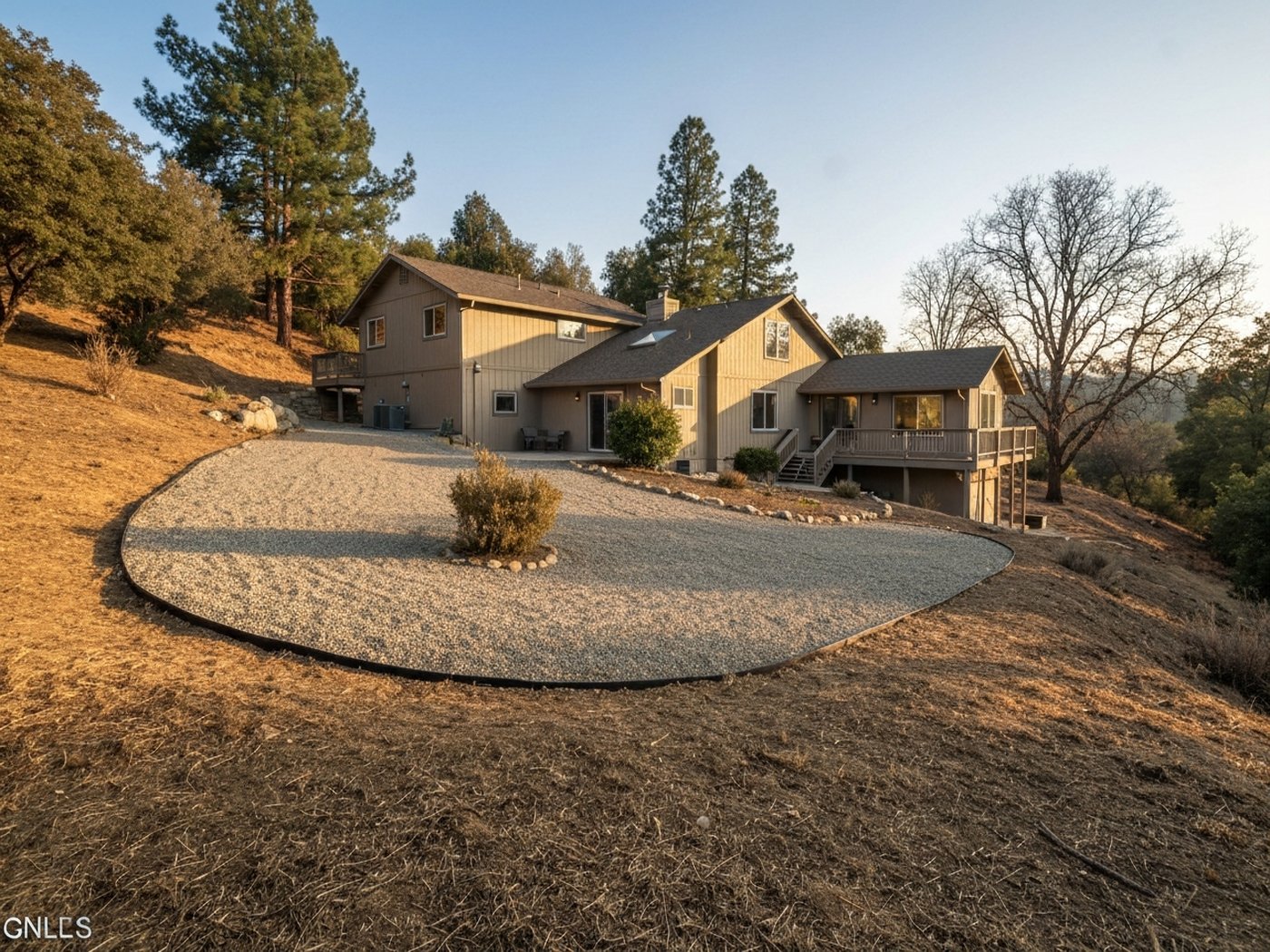
Most “best home insurance” lists hand you a ranking of familiar brand names, then an asterisk saying availability varies. In fire country, that asterisk is doing most of the work. A ranking of “top five carriers for fire-zone homeowners” can be irrelevant by the time you shop, because several may simply decline to underwrite your ZIP code. In the highest-risk Wildland Urban Interface (WUI) zones, the major national carriers have cut their appetite for new policies, and many have non-renewed existing policyholders who never filed a claim. The wildfire home insurance guide covers why the market is fractured and how to keep coverage you already have.
So this is not a comparison problem. It is a shopping problem. The two things that actually decide whether you walk away protected are the same two things almost nobody reads carefully: the line items inside the policy, and which market tier you are buying from. This guide is built around those two. Treat it as your checklist when the quotes land on the kitchen table.
The fire-zone policy checklist
Before you compare price, line up your quotes side by side and check these items. Price is the last thing to look at, not the first, because a cheap policy that pays actual cash value on a depreciated roof can leave you tens of thousands short after a total loss. (For what these coverages actually pay out when a wildfire hits, see does homeowners insurance cover wildfire.)
1. Dwelling limit on a replacement cost basis. This is the foundation of the whole policy. A policy that pays actual cash value subtracts depreciation before writing a check, so a 15-year-old roof reimbursed at depreciated value will not replace itself. Make sure your dwelling (Coverage A) is written on a replacement cost basis, and that the stated limit actually reflects what it would cost to rebuild your home today, not what you paid for it or what it would sell for. Personal property can be either basis; confirm which applies to yours.
2. Extended or guaranteed replacement cost. This is a buffer above your dwelling limit, typically 25 to 50 percent depending on the policy and carrier. Construction costs have climbed, and after a large wildfire, contractor and material prices in the affected area surge further as everyone rebuilds at once (sometimes called demand surge). Extended replacement cost gives you room when the stated limit falls short. Some policies offer guaranteed replacement cost with no cap, which is the strongest version. It is harder to find in fire country, but worth asking about by name. If you take one thing from this checklist, take this line.
3. Loss of use, or additional living expenses (Coverage D). Rebuilding after a wildfire can take 18 months to 3 years. Loss of use pays the extra cost of living elsewhere while you rebuild: rent, meals above your normal grocery budget, storage fees. Confirm the limit is meaningful and not capped at a timeframe shorter than a realistic rebuild in your area. A 12-month cap is a problem if the queue for contractors in your county is two years deep.
4. Debris removal coverage. Many policies cap debris removal at a percentage of the dwelling limit. After a total loss in a fire-impacted area where everyone is clearing at the same time, that cap can fall well short of the actual cost to haul off a burned structure. Look at the specific dollar figure, not just the dwelling coverage total, and ask whether it sits inside or on top of the dwelling limit.
5. Deductible structure. Some carriers write a separate wildfire deductible as a percentage of your dwelling coverage rather than a flat dollar amount. A 2 percent deductible on a $600,000 home is $12,000 out of pocket before the policy pays anything. Confirm whether your policy uses a flat deductible or a percentage-based one specifically for fire events, because two quotes at the same premium can carry very different out-of-pocket exposure.

Percentage-based wildfire deductibles can easily reach $10,000 or more on a mid-value home. A quote summary may not flag this clearly, so confirm the deductible type for fire events before you sign.
The three tiers: admitted, surplus lines, and FAIR plans
In a fire-risk area you will encounter three types of coverage, and the differences between them matter.
Admitted carriers are licensed and regulated by your state’s Department of Insurance. They file their rates and policy forms with the state, and they participate in the state guaranty fund, which protects policyholders if the insurer becomes insolvent. This is the standard market. In the highest-risk WUI zones, access to it has narrowed considerably.
Surplus lines carriers (also called non-admitted) are not licensed in your state in the same way, but they can write coverage when admitted carriers will not. They are generally not in the state guaranty fund, and their rates are not filed with the state, so pricing can be higher and terms more variable. They are a legitimate option when the standard market says no, but read the policy carefully and understand which consumer protections do not apply.
State FAIR plans are the backstop of last resort. Every wildfire-prone state has one: a government-organized insurer designed to cover people the private market has turned away. FAIR plans typically cover the dwelling against fire and some other perils, but most do not include liability or personal property. That means you will likely need a separate “wrap” or difference-in-conditions (DIC) policy to fill those gaps. Limits may not be high enough for higher-value homes, and pricing has risen significantly in recent years. The wildfire home insurance guide covers the mechanics and what to look for in a FAIR plan. For a full breakdown of how the program works and varies by state, what is a FAIR plan goes deeper.
The practical order of operations: shop admitted carriers first, through an independent agent with access to multiple markets. If admitted carriers won’t write you, ask about surplus lines options. If neither works, the FAIR plan keeps you covered while you work on getting back to the standard market.

An independent agent who shops both admitted and surplus lines markets is worth more than any online comparison tool in a fire-zone situation. A captive agent can only quote one carrier.
Hardening expands which tier will write you
Before you shop, one move improves your odds in every tier above: harden your home and document it. Underwriting has shifted from “is your neighborhood risky” toward “is your specific home likely to ignite,” and most of what makes a home harder to ignite is within your control. A Class A fire-rated roof, ember-resistant vents, a cleared Zone 0, and gutters kept free of the dry leaves and pine needles that act as kindling at the roofline can move you from “decline” to “quote,” and in some states earn a documented mitigation discount. Dated photos and receipts give a carrier something concrete to underwrite. I will not re-teach the work here: the wildfire home hardening guide walks through the full set of measures and which ones matter most to underwriters, and the wildfire home insurance guide covers how to turn that work into a discount request.
If you’ve been non-renewed
A non-renewal is not the end of the road, but the playbook for working back into the standard market (independent agents, state DOI consumer resources, FAIR plan as a bridge) belongs to the pillar so I will not duplicate it. Read the wildfire home insurance guide for the step-by-step. The short version: shop the tiers in order, lean on hardening documentation, and treat any FAIR plan as temporary.
FAQ
What is the most important thing to look for in fire-zone home insurance? Adequate replacement cost coverage. Not price, not brand name: whether your dwelling limit actually equals what it would cost to rebuild your home today, with a buffer for demand surge after a large fire. Extended replacement cost coverage, typically 25 to 50 percent above your stated dwelling limit, is the single most useful feature to confirm before you sign or renew. Your state Department of Insurance website may have a rebuild cost estimator or consumer guidance on setting an appropriate limit.
Which companies still write policies in high-fire-risk areas? That changes by state and over time, so a consumer ranking cannot stay current. Regional carriers and specialty surplus lines markets sometimes write in areas where nationals have pulled back. An independent agent who works with multiple markets will have current information. Your state’s Department of Insurance website lists all admitted carriers licensed to write in your state, which is a useful starting point before you call agents.
Can I lower my premium by hardening my home? Possibly, and in California you are legally entitled to ask for one. California’s Safer from Wildfires framework requires admitted carriers to offer mitigation discounts to eligible homeowners. Other states have voluntary carrier programs or their own frameworks. The IBHS “Wildfire Prepared Home” designation is recognized by some insurers nationally. What qualifies and how much it saves varies by insurer and state. Ask your carrier directly, document your work thoroughly, and verify eligibility with your state Department of Insurance.
What should I do if I cannot find affordable coverage in the standard market? Work through an independent agent to check surplus lines markets before going straight to the FAIR plan. If you end up on the FAIR plan, pair it with a wrap or DIC policy to cover the gaps (liability, personal property), confirm the dwelling limit is sufficient for a full rebuild, and treat it as temporary. Carriers’ risk appetites change. With documented home hardening behind you, the standard market may be open again within a renewal cycle or two.
Related guides
Indiana FAIR Plan Insurance: Coverage of Last Resort
What Indiana homeowners need to know about the Indiana FAIR Plan: what it covers, what it leaves out, and how to fill the gaps if the standard market won't write you.
Read the guide →Wildfire Insurance Coverage: What a Standard Policy Includes
A standard HO-3 policy covers wildfire, but the four coverage types, your limits, and key endorsements determine how much protection you actually have.
Read the guide →Minnesota FAIR Plan Insurance: A Homeowner's Guide
How Minnesota's FAIR Plan works for homeowners in fire-risk areas: coverage specifics, typical costs, and the gaps you need to fill with a separate policy.
Read the guide →Keep ignitable debris out of your roofline
Get a free, no-obligation LeafFilter gutter-protection assessment. Fine micro-mesh keeps leaves and pine needles out of the gutters, the spot where wind-blown embers love to land. Booking through us supports this site.
Get a free LeafFilter assessment →