Oregon FAIR Plan Insurance: Wildfire Coverage When Insurers Say No
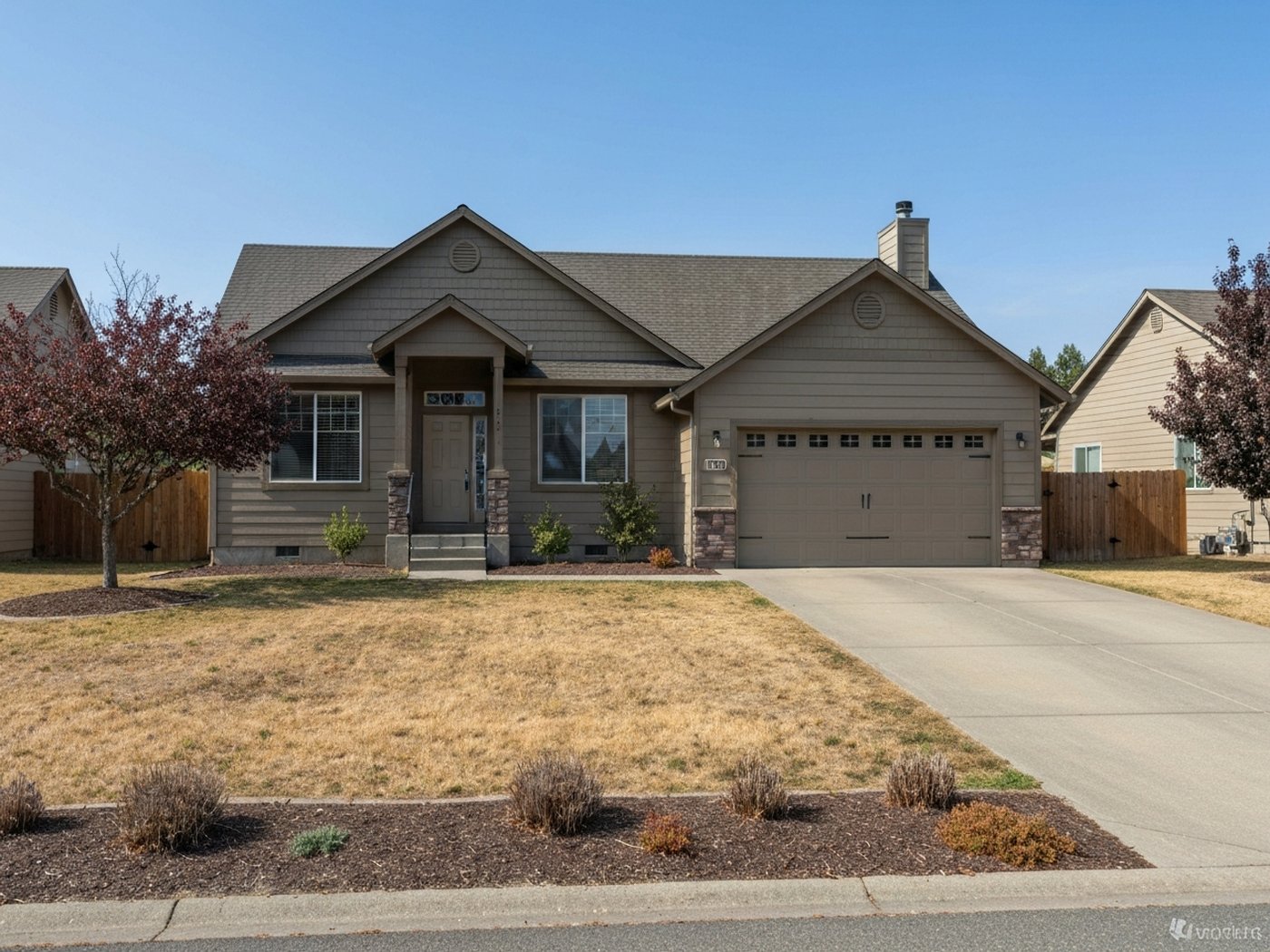
Oregon’s 2020 Labor Day fires changed how insurers read the state. The Almeda Drive Fire tore through Talent and Phoenix in Jackson County in a matter of hours, destroying more than 2,500 homes in communities most people would not have described as wildfire country. The Beachie Creek and Lionshead fires merged in the Santiam Canyon northeast of Salem and burned through Marion and Linn counties. The Holiday Farm Fire ran up the McKenzie River corridor in Lane County. In a single week, Oregon logged more destroyed structures than the previous decade combined. After that, some carriers started reassessing their Oregon exposure, and homeowners in the Cascade foothills, the Rogue Valley, and eastern Oregon started getting non-renewals on policies they had carried without incident for years.
The Oregon FAIR Plan Association exists for exactly that situation.
What is the Oregon FAIR Plan Association?
The Oregon FAIR Plan Association is Oregon’s residual market mechanism, established under Oregon Revised Statutes (ORS Chapter 742) to ensure basic property insurance remains available to homeowners the voluntary market won’t cover. Every licensed property insurer doing business in Oregon is required to participate in the OFPA. The exposure of policies written through the plan is spread across those member insurers, which is how the plan stays solvent without state funding.
The OFPA is not a state agency. It is a private entity operating under a statutory mandate, with oversight from the Oregon Insurance Division. The OID, part of the Department of Consumer and Business Services, sets the regulatory framework and consumer protections. If you have a billing dispute, a claim disagreement, or want to understand your rights as a policyholder, the OID’s Consumer Advocacy Team is your first contact.
Applications go through a licensed Oregon insurance agent. The OFPA does not sell direct. The agent documents that you attempted standard-market placement, could not obtain it, and then submits the application to the plan.
What the Oregon FAIR Plan covers
An OFPA policy is a dwelling fire form, which is narrower than the HO-3 most Oregon homeowners are used to. Fire and lightning are the core covered perils. If a wildfire damages or destroys your home, the policy pays to rebuild it up to your coverage limit. That is the point of the plan.
An extended coverage endorsement adds windstorm, hail, explosion, riot, civil commotion, aircraft damage, vehicle impact, smoke, and volcanic action. For Oregon homeowners in the Cascades or eastern Oregon, where wind events and wildfire often move together, adding the EC endorsement is standard practice rather than optional.
Two things to confirm in writing with your agent before binding:
Dwelling limit. Set your coverage to the actual cost of rebuilding your specific home today, not its market value and not what you paid for it. After a large wildfire, demand surge (the price spike when many homeowners in the same region rebuild simultaneously) can drive rebuild costs well above any prefire estimate. The Almeda Fire aftermath demonstrated this in real time, with Jackson County rebuild costs elevated by concentrated demand in a compressed labor and materials market.
Replacement cost vs. actual cash value. An OFPA policy may default to actual cash value settlement, which deducts depreciation before writing a check. On a 15-year-old roof, that gap is substantial. Ask specifically whether a replacement cost endorsement is available and what it adds to the annual premium. Get that answer in writing.
What it doesn’t cover: the DIC gap
This part catches people off guard, especially homeowners moving from a standard HO-3 policy who are not used to thinking about what is absent.
Personal liability is not in a standard OFPA policy. Theft is not covered. Additional living expenses, the coverage that pays the incremental cost of renting elsewhere while your home is being rebuilt, are generally not included in the base form. Internal water damage from a pipe freeze or failed water heater is typically excluded as well.

An OFPA policy without a companion DIC leaves no liability coverage in place. If you carry a mortgage, your lender almost certainly requires liability as a loan condition, and the OFPA policy alone will not satisfy it.
The standard solution is a Difference in Conditions policy, called a DIC, purchased from a separate admitted or surplus-lines carrier. The DIC wraps around the OFPA fire policy and covers the perils it leaves out: personal liability, theft, additional living expenses, and sometimes internal water damage. You need both policies active simultaneously, and the gaps between them, mismatched effective dates, inconsistent dwelling definitions, holes in the DIC terms, are exactly what an experienced independent agent helps you avoid. Work with someone who regularly handles FAIR plan pairings, not someone encountering the product for the first time.
When you evaluate the OFPA option, price both the OFPA policy and the DIC at the same time. The combined annual cost is your real number.
The mechanics of named-perils coverage and how a DIC fills the gaps are covered in the hub piece at what is a FAIR plan.
Who qualifies and how to apply
Eligibility for the OFPA follows the last-resort standard: you have been declined or non-renewed by the voluntary market and cannot place coverage there. A licensed agent documents your standard-market attempts and establishes eligibility before submitting the application.
The property also needs to meet basic insurability conditions. The OFPA is designed for homes in reasonable condition that sit in high-risk locations, not homes with unresolved structural problems or active safety hazards. A home declined because of its location is a typical OFPA candidate. A home declined because the roof is actively failing needs those problems addressed first.
If you receive a non-renewal notice, move on two fronts at once. File an OFPA application through a licensed agent before your current policy lapses, so there is no gap in coverage. Simultaneously, get the reason for non-renewal in writing from your current carrier. The OID has consumer protections around non-renewal notices and required response timelines. A coverage gap can complicate your mortgage escrow and work against you when you eventually try to return to the standard market.
Verify current eligibility requirements directly with a licensed Oregon agent or the Oregon Insurance Division, since plan rules are subject to revision and details in any article can lag behind current filings.
What does it cost?
More than a comparable standard policy, in most cases. That is the consistent experience with FAIR plans across the country.
OFPA rates are regulated by the Oregon Insurance Division. They are not competitively underwritten: there is one pool, one rate schedule, and no ability to shop between providers within the OFPA. Your deductible and coverage limit are the main levers you control.
For rough orientation: standard HO-3 coverage in lower-risk Oregon markets often runs in the range of $1,000 to $2,200 per year, depending on region and construction type. OFPA coverage with an EC endorsement in higher-risk areas commonly runs meaningfully above that, sometimes 30 to 70 percent more than comparable voluntary-market pricing in a lower-risk area, depending on location, dwelling limit, and current rate filings. Add the DIC companion policy and the total climbs further. These numbers are illustrative ranges, not quotes. Your agent and the OFPA are the only sources for a figure based on your actual property.
Before accepting the OFPA as your only option, ask your agent to run a surplus-lines search. Surplus-lines carriers underwrite outside the admitted market with more flexible criteria, and some Oregon properties with elevated fire exposure qualify for surplus-lines coverage at rates that are competitive with the OFPA, sometimes with broader terms. It is not a universal solution, but comparing both before committing is worth the extra step.
Where Oregon wildfire risk concentrates
The OFPA serves the entire state, but fire-driven insurance pressure clusters in a few distinct regions with different fuel types and fire behavior.
Southern Oregon carries the highest structural loss exposure. Jackson and Josephine counties in the Rogue and Illinois River valleys combine a Mediterranean-influenced climate (wet winters, dry summers), steep terrain, and a dense wildland-urban interface. The 2020 Almeda Drive Fire is the defining event: a wind-driven fire along a riparian corridor that burned through two towns with almost no warning. Medford, Ashland, and communities along the Rogue River draw sustained underwriting scrutiny. The Siskiyou Mountains add terrain complexity and a longer fire season to the southern tier, and Grants Pass and Gold Hill sit in similar exposure.
The Cascade foothills stretching from central Oregon north into the Willamette Valley margins represent a second tier. Lane, Linn, and Marion counties all saw significant wildfire in 2020. The McKenzie River valley and the Santiam Canyon, popular with residential development and recreation, sit in drainages where east wind events push fire fast and hard. Communities in the upper McKenzie and upper Santiam are rebuilding, and carriers know it.
Eastern Oregon presents a different fuel type and a longer, lower-drama fire season. The high desert and juniper-sage country of Harney, Lake, Malheur, Grant, and Wheeler counties produces large grass and brush fires that cover enormous acreage with little structural density in their path. But homes out there often sit far inside fuel beds with limited suppression resources and long response times, and insurers price that isolation. Structures near range fires in a drought year face real exposure with limited options.
The Oregon Department of Forestry tracks fire activity statewide and provides data by county and protection district. Their Community Protection Program supports Firewise USA communities through NFPA, and Oregon has active Firewise designations concentrated in the regions above.
Getting back to the standard market
The OFPA is a bridge, not a destination. Standard-market coverage is broader, typically less expensive over time, and easier to manage. The path back runs through making your specific property more underwritable at the property level.
The factors that move admitted carriers are consistent across the insurance literature from IBHS and Firewise USA: a fire-rated (Class A) roof, ember-resistant vents, a cleared five-foot Zone 0 around the foundation, and a roofline free of ignitable debris. Oregon homeowners should also consult the state’s own defensible space requirements; the Oregon defensible space rules page covers what ODF requires and recommends for clearance distances in different protection areas.
The roofline fuel load is where I pay professional attention. Oregon’s conifer country, Douglas fir, ponderosa, white fir, drops needles year-round, and they accumulate fast. By late summer a gutter holds a compressed mat of dry material at the exact seam where the roof sheathing, fascia board, and exterior wall come together. That is the ignition point IBHS research and Oregon fire investigators keep pointing to: embers blown ahead of the fire land in gutter debris, and the home ignites from the roofline rather than from direct flame contact. I have pulled gutters in fire-risk Oregon areas that held two or three seasons of packed needles. That is kindling by any definition.

If you're building a hardening file to take to admitted carriers, include dated photos of clean gutters alongside your roof and vent documentation. The roofline fuel load is a specific thing underwriters look for.
Keeping that gutter clear, either on a cleaning schedule before fire season or by installing a noncombustible stainless micro-mesh guard that keeps debris out, removes a significant fuel source at the most exposed part of the building. The full hardening picture is at the wildfire home hardening guide, and the roofline is where to start.
Oregon has not adopted a statewide mitigation discount mandate comparable to California’s “Safer from Wildfires” framework. Individual admitted carriers may weigh documented hardening in their underwriting decisions, but this varies by insurer and nothing is guaranteed. Ask every carrier you shop whether they offer a mitigation discount and what documentation they require. IBHS’s Wildfire Prepared Home evaluation produces a formal report you can present to underwriters. Firewise USA community recognition through NFPA can factor in as well. Neither guarantees coverage or a specific discount, but both give you concrete documentation to hand an underwriter instead of just a high-risk address.
Document everything with dates: roof condition photos, vent cover installations, cleared Zone 0, clean gutters, receipts for contractor work. That file supports a discount conversation, strengthens a non-renewal appeal, and speeds up a claim if you ever need to file one. It costs almost nothing to maintain.
For the broader picture on keeping coverage through a challenging market and navigating a non-renewal, the wildfire home insurance guide is the right companion to this article.
FAQ
Does the Oregon FAIR Plan cover wildfire damage?
Yes. Fire is the core covered peril in an OFPA dwelling policy. If a wildfire damages or destroys your home, the policy pays to rebuild up to your coverage limit. Confirm whether your policy settles at replacement cost or actual cash value, since actual cash value deducts depreciation and can leave you well short of full rebuild costs, particularly on an older roof. Ask about a replacement cost endorsement before you bind.
Do I need a second policy alongside an OFPA policy?
Almost certainly. A standard OFPA dwelling fire policy does not include personal liability, theft, or additional living expenses. Most homeowners pair it with a Difference in Conditions policy from a private carrier to fill those gaps. If you carry a mortgage, your lender almost certainly requires liability coverage as a loan condition, and the OFPA policy alone does not satisfy that requirement. Price both at the same time so you understand the combined annual cost before committing to either.
Can I be non-renewed by the Oregon FAIR Plan?
Yes. The OFPA must accept eligible applicants under state rules, but non-renewal is possible if the property no longer meets eligibility or insurability standards, such as maintenance problems flagged at a prior inspection that were not corrected. If you receive a non-renewal notice from the OFPA, contact the Oregon Insurance Division and a licensed agent promptly to understand your options and any consumer protections that apply.
Will hardening my home help me return to the standard market?
It can, though no specific outcome is guaranteed. Documented improvements, a Class A fire-rated roof, ember-resistant vents, cleared Zone 0, a clean roofline and gutters, give admitted carriers something concrete to evaluate instead of only a high-risk address. IBHS’s Wildfire Prepared Home evaluation produces a formal report in a format carriers can use. Work with an independent agent who regularly places high-risk Oregon properties; they know which admitted carriers are currently writing in your region and what documentation those carriers want to see.
Related guides
Indiana FAIR Plan Insurance: Coverage of Last Resort
What Indiana homeowners need to know about the Indiana FAIR Plan: what it covers, what it leaves out, and how to fill the gaps if the standard market won't write you.
Read the guide →Wildfire Insurance Coverage: What a Standard Policy Includes
A standard HO-3 policy covers wildfire, but the four coverage types, your limits, and key endorsements determine how much protection you actually have.
Read the guide →Minnesota FAIR Plan Insurance: A Homeowner's Guide
How Minnesota's FAIR Plan works for homeowners in fire-risk areas: coverage specifics, typical costs, and the gaps you need to fill with a separate policy.
Read the guide →Keep ignitable debris out of your roofline
Get a free, no-obligation LeafFilter gutter-protection assessment. Fine micro-mesh keeps leaves and pine needles out of the gutters, the spot where wind-blown embers love to land. Booking through us supports this site.
Get a free LeafFilter assessment →