Oregon Defensible Space Rules: What Homeowners Need to Know
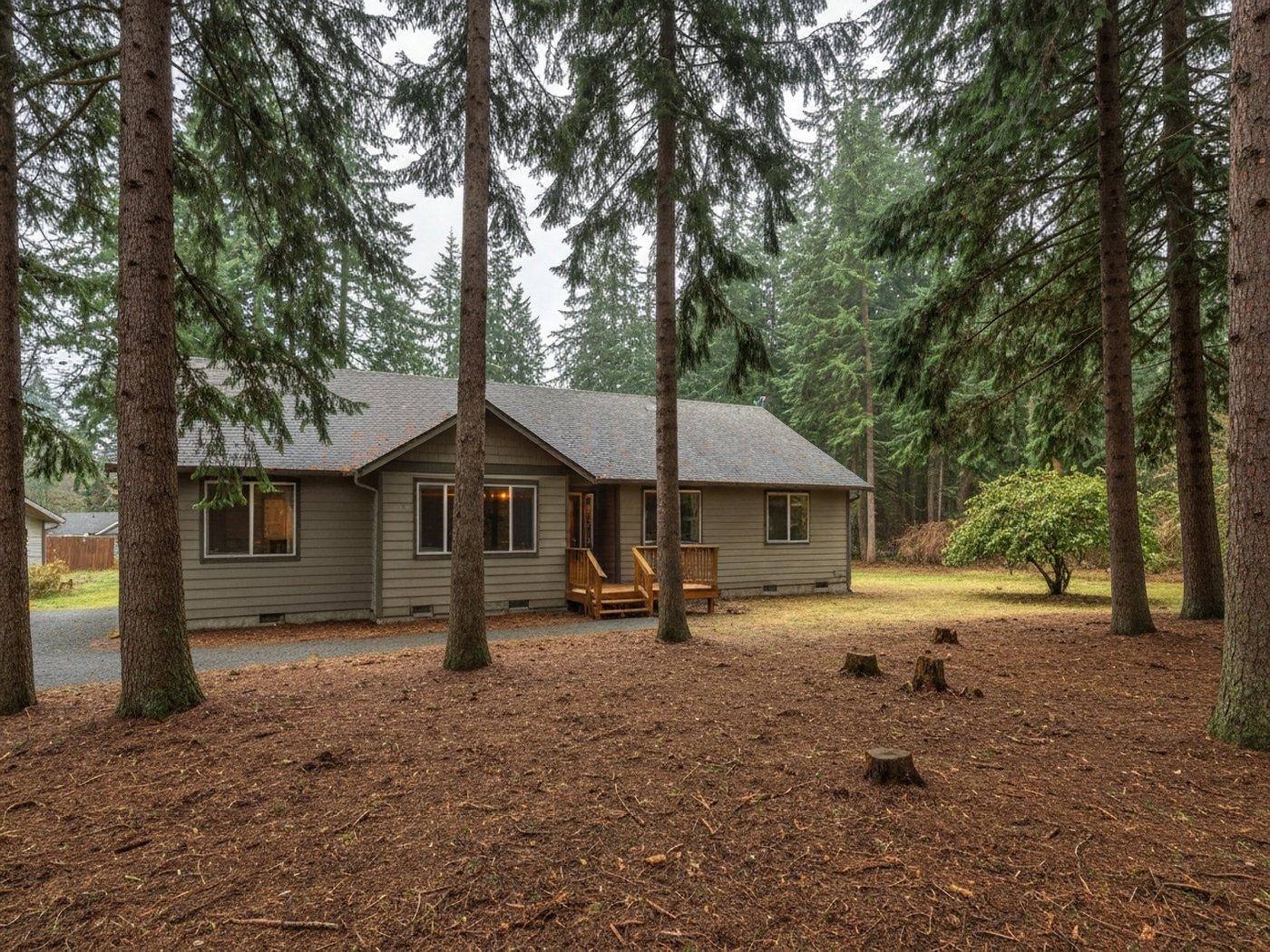
Oregon’s 2020 Labor Day fires changed the conversation. The Almeda, Holiday Farm, and Archie Creek fires together destroyed more than a thousand homes in a matter of days, and most of them weren’t taken by walls of flame. Wind-blown embers did the work. The aftermath pushed the Oregon legislature to pass Senate Bill 762 in 2021, the most significant wildfire law Oregon has ever enacted, and it put defensible space requirements at the center of the state’s response. If you live anywhere near Oregon’s forests or high-risk WUI (wildland-urban interface) areas, this is the law you need to understand.
Who this applies to
Oregon’s defensible space rules apply to structures on land designated as “forestland” by ODF. This isn’t a label that applies to every rural Oregon property; it covers land the state classifies as managed forest, forestland adjacent to developed areas, and properties within the WUI where forest fuels and residential development overlap. Under SB 762, ODF developed a statewide Wildfire Risk Map that classifies properties as Low, Moderate, High, or Extreme risk. Properties in High and Extreme risk areas face mandatory defensible space compliance.
To find out where your property lands, go directly to the ODF website and search the Oregon Wildfire Risk Map by address. The map has gone through revisions since its initial release (the 2022 version drew pushback from some rural counties and was subsequently updated), so use the current published version. If your property is in a High or Extreme area, state rules apply and ODF can inspect.
Local fire districts and counties can layer additional requirements on top of state minimums. Some Oregon counties in high-risk areas have adopted stricter ordinances, so check with your local fire district or county planning department even if the state rules seem manageable.
Zone 1: the 30 feet immediately around your structure
Zone 1 is where the requirements are strictest, and the reasoning is straightforward. This is the range where embers land and find fuel, where radiant heat from a nearby burning structure can ignite plants and debris, and where a fire crew has to be able to work if they’re going to defend your home. What the rules require:
Remove dead and dying material. Clear dead shrubs, accumulated leaf litter, pine cones, and dry grass from the entire Zone 1 area. During fire season this means staying current, not completing a single spring cleanup and considering it done.
Mow grass and low vegetation to 4 inches or shorter during fire season. Dry standing grass carries flame; keeping it short cuts the fire’s ability to move toward the structure.
Limb up trees to 10 feet. Remove branches from the ground to a height of 10 feet on any trees within Zone 1. This breaks the ladder-fuel path that lets a ground fire climb into the canopy, which can happen fast once a tree starts torching.
Space trees and shrubs. Crowns should be at least 10 feet apart, measured crown to crown. You’re breaking horizontal fuel continuity so fire can’t leap from plant to plant toward the house.
Keep flammable material away from the structure. Woodpiles, propane tanks, combustible debris: ODF guidance calls for keeping these at least 10 feet from the structure when possible and not directly against exterior walls. Firewood stacked under the eaves is a Zone 1 violation that inspectors flag regularly.
Roof and gutters. ODF defensible space requirements explicitly include keeping roofs and gutters free of accumulated debris. This lines up with what IBHS research has documented across multiple major fires: packed gutters are a primary ignition point because embers collect in dry material sitting right at the roofline seam.

A woodpile stacked against the house is one of the most common Zone 1 violations ODF inspectors flag. Move it at least 10 feet from any structure and cover it if you can.
Zone 2: 30 to 100 feet out
Zone 2 is about slowing a fire’s approach. The goal here isn’t to make the area ember-proof; it’s to reduce fuel density so a fire loses intensity before it reaches Zone 1. The requirements are less prescriptive but still binding:
Mow or cut grass to 4 inches or shorter throughout fire season. Dry grass carries fire quickly, and Zone 2 is still close enough to matter for fire intensity reaching the structure.
Remove dead material from trees and shrubs. Dead branches on standing trees, dead shrubs, and accumulated duff all add fire intensity. Removing them is low effort for a real reduction in fuel load.
Limb up trees 6 to 10 feet from the ground. Same ladder-fuel logic as Zone 1, at a height range that reflects the different fuel-management goal farther from the house.
Space plants and trees to disrupt horizontal fuel continuity. ODF guidance calls for shrub spacing of roughly twice the shrub’s height, with trees spaced about 10 feet crown to crown in relatively flat terrain and wider spacing on steeper slopes where fire moves faster uphill.
If your property line falls within 100 feet, Zone 2 extends only to that boundary. You cannot be required to clear a neighbor’s land. But you can have the conversation, and many Oregon fire districts have neighbor-to-neighbor outreach programs specifically for this situation.
What enforcement looks like
ODF has authority to inspect properties in designated forestland areas, and since SB 762 inspectors have become more active in high-risk zones. An inspection can come from a complaint, a community-level compliance push in a particular area, or ODF’s own scheduling.
If an inspector finds violations, they issue a compliance notice listing what needs to be corrected and the deadline to do it. Most homeowners who receive a notice and respond within the window avoid further action. Persistent non-compliance can lead to fines, and in some cases ODF can do the required clearing itself and bill the property owner. That outcome is uncommon, but it’s real.

Before fire season each year, walk your Zone 1 with your phone and take dated photos: cleared zones, clean gutters, limbed trees. That record is useful for both compliance and insurance.
The roofline: where the rules matter most
Zone 1 includes roof and gutter maintenance in its requirements, but those line items tend to get buried under the vegetation sections. They shouldn’t.
After every major Western wildfire, IBHS documents the same ignition pattern: embers, not the fire front, reach structures first. They land in gutters packed with fir needles and leaf debris, and they find exactly what they need: dry fuel, direct contact with the wooden fascia behind the gutter, and the underside of the roof deck a few inches above. One ember igniting a packed gutter can spread into the eave space and reach the attic before anyone on the ground realizes the house is burning.
Zone 0, a concept developed by Cal Fire and incorporated into NFPA’s Firewise USA program, treats the first five feet around the structure as a special category requiring noncombustible hardscape or bare gravel. Oregon’s Zone 1 covers this conceptually, but the practical takeaway for gutters is that keeping them empty of dry debris is fire safety at the most vulnerable seam of the building, not a cosmetic maintenance task.
If your home is surrounded by Douglas fir, ponderosa pine, or any other conifer (and a lot of Oregon WUI homes are), gutters load fast and dry out through August. A spring cleaning doesn’t stay clean through fire season. That’s either a regular cleaning schedule or a gutter-protection system that keeps debris out year-round. The wildfire home hardening guide covers the full roofline strategy alongside vents, roof class, siding, and Zone 0 materials, all working together.
Oregon’s insurance landscape
Oregon’s wildfire insurance market has been under real stress since 2020, and it’s worth understanding what’s happening before you assume your coverage is unchanged from a few years ago.
Several admitted carriers have reduced their Oregon WUI exposure or non-renewed policies in high-risk areas. Oregon passed Senate Bill 80 in 2023, which requires insurers to give at least 45 days notice before non-renewing a policy and to offer a mitigation credit pathway. What those credits look like and which carriers offer them varies, which means you have to ask your own insurer directly. Oregon Insurance Division (OID) maintains consumer guidance for homeowners who have been non-renewed and want to understand their options.
Oregon does have a FAIR Plan as a market of last resort for homeowners who can’t find coverage in the standard market. Treat it as a backstop, not a substitute: FAIR plan coverage is typically narrower and more expensive than a standard HO-3, and the terms vary. If you reach that point, your state Department of Insurance is the right first call.
The connection between defensible space compliance and insurance is real but not uniform. Some carriers use ODF’s risk map designations in underwriting; some ask about mitigation work; some don’t engage with either. Dated documentation of your Zone 1 and Zone 2 work, clean gutters, and limbed trees puts you in the strongest position when arguing for a discount, responding to a non-renewal, or eventually filing a claim. For the full coverage picture, including what standard policies include, how the FAIR plan fits, and how mitigation documentation helps, see the wildfire home insurance guide.
This is educational, not professional insurance advice. Coverage terms, discounts, and availability vary significantly by insurer, policy, and your specific property. Confirm your specifics with your own insurer and the Oregon Insurance Division.
FAQ
Do Oregon’s defensible space rules apply to my property? They apply if your property is on land designated as forestland by ODF, or if it falls in a High or Extreme area on Oregon’s statewide Wildfire Risk Map. Search the map by address on the ODF website. If your property is Low or Moderate risk and doesn’t carry a forestland designation, state rules may not apply, but your local fire district may have its own requirements that do.
What happens if I don’t comply after getting an ODF notice? ODF issues a compliance notice with a correction deadline, and most homeowners who act within that window avoid further trouble. Persistent non-compliance can result in fines. In some cases ODF can perform the required clearing and bill the property owner for the cost. Since SB 762 passed in 2021, enforcement activity in high-risk areas has increased, so non-compliance carries more real risk than it did a decade ago.
Does doing defensible space work lower my homeowners insurance rate? It can. Oregon’s SB 80 (2023) requires admitted insurers to offer mitigation credit pathways, but what those credits look like varies by carrier. Ask your insurer directly whether they offer a wildfire mitigation discount and what documentation they need to apply it. Third-party certifications like an IBHS Wildfire Prepared Home designation or active participation in a Firewise USA community can support that conversation. Specific results vary and are not guaranteed by law.
Is defensible space enough on its own to protect my home? Defensible space reduces your home’s vulnerability significantly, but it works best as part of a larger picture. IBHS and NFPA research consistently shows that cleared zones slow a fire’s approach, a fire-resistant roof and ember-resistant vents reduce ignition risk at the structure, and a clean roofline removes the ember fuel that concentrates at the most vulnerable seam of the building. For how the pieces fit together, defensible space zones covers the zone-by-zone breakdown and how each layer of protection builds on the others.
Related guides
Florida Home Hardening: The Hurricane-Debris-to-Wildfire Connection
Florida ranks top-five for wildfire starts, and post-hurricane debris is the fuel most homeowners never see coming.
Read the guide →California Wildfire Home Hardening: Zone 0 Law and What It Means
California's Zone 0 law clears the 5-foot band around your home of combustible material, and it is the foundation of every effective hardening plan.
Read the guide →Colorado Wildfire Mitigation: A Homeowner's Guide
Practical wildfire mitigation steps for Colorado homeowners: defensible space rules, home hardening priorities, roofline ember defense, and the insurance landscape.
Read the guide →Keep ignitable debris out of your roofline
Get a free, no-obligation LeafFilter gutter-protection assessment. Fine micro-mesh keeps leaves and pine needles out of the gutters, the spot where wind-blown embers love to land. Booking through us supports this site.
Get a free LeafFilter assessment →