California Wildfire Home Hardening: Zone 0 Law and What It Means
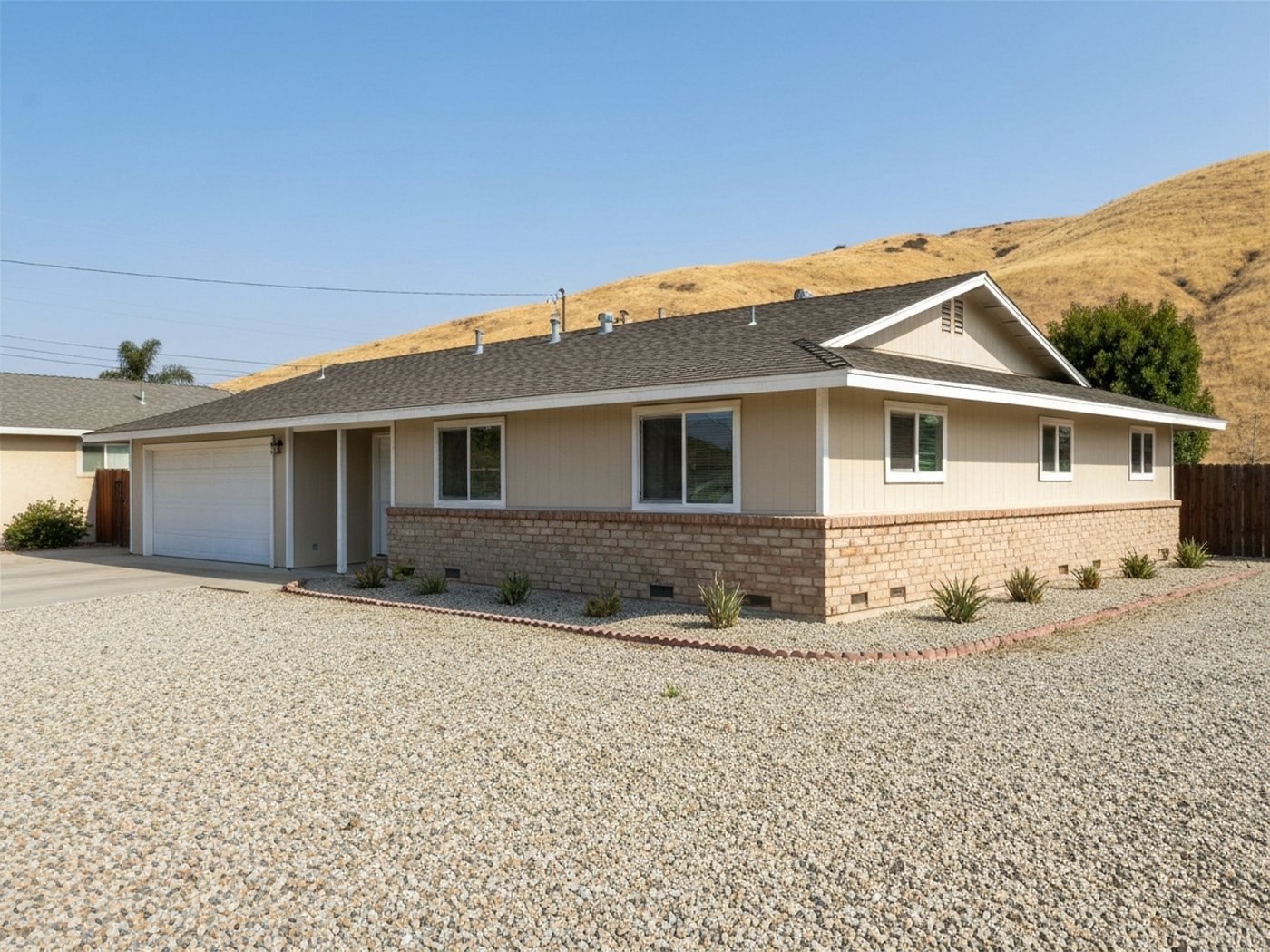
Most homeowners I talk to know they should have defensible space. Fewer know that California added a new layer to that requirement in 2020, or that it changed what they are allowed to put within arm’s reach of their house. Zone 0 is not just a vegetation rule. It is a legal mandate about what materials are permitted to exist in the strip of ground with the most direct path to your home’s structure.
What Zone 0 actually requires
AB 3074, signed in September 2020, created a new clearance category for structures in State Responsibility Areas. Cal Fire developed specific regulations through its rulemaking process describing in detail what is and is not allowed in the 0-to-5-foot zone.
The prohibitions break into four categories:
No combustible mulch. Wood chips, bark, and shredded wood are out. This catches a lot of homeowners off guard because organic mulch is exactly what many installed in Zone 1 for moisture retention. In Zone 0, wood-based mulch is not allowed: it is the kind of fine, dry material a windblown ember ignites readily and can smolder against a foundation for hours before flaring.
No dead, dry, or dying vegetation. Any plant material in that zone needs to be alive, green, and managed. Leaves piled against the foundation are fuel.
No combustible items stored against the home. Firewood, propane canisters, wood or plastic outdoor furniture. If firewood is stacked under an overhang against the wall, Zone 0 says move it. Cal Fire recommends at least 30 feet from any structure as a minimum distance for firewood storage.
No wood debris or waste material. Construction scraps, pallets, yard-waste bags staged near the house.
What is allowed: noncombustible hardscape. Concrete, pavers, brick, stone, gravel, or bare compacted soil.
Fences are a case that trips homeowners up. If a combustible wood or vinyl fence connects directly to the house, flames travel straight to the structure. The fence section within the first 5-foot band should be noncombustible metal or masonry, or there should be a noncombustible break before the fence makes contact with the home.
Zone 0 applies within State Responsibility Areas, which covers most of California’s wildland-urban interface. If you live inside city limits, local ordinances may mirror or exceed the Cal Fire standard. Cal Fire maintains an online parcel-lookup tool to confirm your jurisdiction.

Wood chip and bark mulch are prohibited in Zone 0. If you laid it around foundation plantings before the rule changed, replace it with rock, gravel, or decomposed granite.
Why the 5-foot band matters more than the far zones
Defensible space has existed in California law since 2005. Zone 0 was added because research kept pointing to the same problem: the perimeter immediately around a structure is where the most damaging ignitions happen, not just where flames eventually reach.
IBHS has documented for years that most homes lost in wildfire are ignited by embers, not direct flame contact. Embers travel far ahead of the fire front, sometimes more than a mile on high-wind days. They land on roofs, collect in debris-packed gutters, slip through unscreened vents, and pile up against walls. A fire can destroy a neighborhood while the flame front is still blocks away.
The 0-to-5-foot zone is where ember accumulation and radiant heat from nearby burning material converge. Radiant heat from a shrub burning eight feet away can push siding surface temperature above its ignition threshold before any flame reaches the wall. Ground embers smoldering in wood-chip mulch can ignite framing below grade. If Zone 0 is loaded with combustible material, the outer clearance work is not enough.
The rest of the defensible-space picture
Zone 1 runs from 5 to 30 feet. Cal Fire describes it as “lean, clean, and green”: plants alive and irrigated, dead material removed regularly, ladder fuels eliminated so ground fire cannot climb into canopy. Plants need separation so fire cannot jump between them, and tree limbs should be clear of the ground for the first 10 feet.
Zone 2 runs from 30 to 100 feet, or to the property line. Thin trees and shrubs, keep grasses mowed before they cure in late summer, and maintain spacing between larger plants.
One wrinkle specific to California terrain is slope. Fire moves faster uphill, and Cal Fire’s requirements account for this. On a steep lot, the standard zones understate what you actually need. A home sitting above a ravine or a slope grade steeper than about 20 percent needs a longer buffer than flat-ground rules imply.
Home hardening: the structural checklist
Cleared ground is necessary but not sufficient. A home inside well-maintained defensible space can still ignite when embers find their way through an unscreened vent, under an open eave, or into a debris-packed gutter. That is why California’s building standards and Cal Fire guidance push a six-sided approach: every exterior surface that embers can reach, from the roof down to where the wall meets the ground.
Roof. A Class A fire-rated roof is required by California building code in High Fire Hazard Severity Zones: concrete or clay tile, metal roofing, or composition shingles with a Class A rating. Wood shake roofs are the most vulnerable roofing in a fire zone. If yours has one, replacement is a priority upgrade. Some California counties have offered rebate programs for roofing in State Responsibility Areas: check with your county’s Office of Emergency Services and Cal Fire for current availability.
Vents. Open attic, soffit, crawl-space, and foundation vents are ember entry points. Cal Fire recommends 1/16-inch mesh on all vents. This opening stops embers while still allowing airflow. Products designed specifically as ember-resistant vents include flame-blocking baffles for additional protection. If your current vents have larger openings or no screens, that is a high-priority fix: once embers enter an attic or crawl space, the fire works from the inside out.
Eaves and siding. Open eaves with exposed wood undersides give embers a surface to collect against: enclosing them with noncombustible soffits closes that path. Stucco, fiber cement board, and brick resist ember ignition far better than untreated wood siding or vinyl. California’s building standards specify fire-rated exterior wall assemblies for new construction in fire hazard zones, but older homes carry the same fire risk regardless of when they were built.
Gutters and the roofline. This is where my field experience intersects with fire safety directly. The gutter is one of the most dangerous spots on a house during a wildfire, and the risk is about what collects inside: pine needles, leaf litter, and shingle grit pack into a dry mat in a trough running the entire perimeter of your roof, against the fascia and the edge of the roof sheathing. An ember landing in a loaded gutter has fuel, airflow, and a direct path to the framing above. I have pulled what amounts to kindling out of gutters in late August, weeks into fire season. Clean them before fire season, not during it. If your property is surrounded by pines or other conifers, a fine stainless-steel micro-mesh guard keeps that debris out entirely. See best gutter guards for pine needles and fire debris for what actually performs in a fire zone.

Clean your gutters before fire season, not during it. A loaded gutter in August is a strip of dry kindling at your roofline. In pine country, a noncombustible stainless micro-mesh guard is worth the investment.
California’s Safer from Wildfires framework and your insurance
California’s Department of Insurance finalized the “Safer from Wildfires” regulations requiring admitted carriers to offer premium discounts to homeowners who complete and document specific wildfire-mitigation actions: a Class A roof, enclosed eaves, ember-resistant vents, Zone 0 compliance, and a noncombustible deck and fence system.
This creates a financial reward for doing the work, not just a safety benefit. How large the discount is and which actions your carrier recognizes vary by insurer and policy. Ask directly: what discounts do you offer, which actions qualify, and what documentation do you need. The California Department of Insurance runs a helpline for cases where a discount you are entitled to under these regulations is not being applied.
The IBHS “Wildfire Prepared Home” designation is a third-party assessment credential that gives underwriters something concrete to evaluate. It can support your position when shopping coverage or responding to a non-renewal. Firewise USA, the NFPA community program, has been adopted by hundreds of California communities and carries weight with some carriers.
This is educational, not professional insurance advice. Coverage terms, discount eligibility, and availability vary by insurer, state, and policy. Confirm specifics with your insurer and the California Department of Insurance. For the full strategy on keeping or finding wildfire coverage, the wildfire home insurance guide covers what to do when the standard market starts pushing back.
FAQ
Does Zone 0 apply to my property? If your parcel is in a State Responsibility Area, yes. SRAs cover most of California’s rural and wildland-urban interface land, typically unincorporated areas managed by Cal Fire rather than a local fire department. Homes within city limits fall under local fire authority, and many jurisdictions have adopted equivalent or stricter rules. Cal Fire maintains an online parcel-lookup tool to confirm your jurisdiction.
Can I use any mulch in Zone 0? Not combustible mulch. Wood chip, bark, and shredded wood mulch are prohibited within 5 feet of a structure under Cal Fire’s regulations. Noncombustible alternatives are allowed: crushed rock, pea gravel, decomposed granite, concrete pavers, or bare compacted soil. Rock mulch also retains soil moisture and does not float off in heavy rain, so it works on both fronts.
Do Zone 0 and home-hardening improvements affect my insurance? They can, and in California more than most states. Under the Safer from Wildfires framework, admitted carriers must offer discounts to homeowners who complete and document qualifying mitigation actions. Keep dated photographs, receipts, and contractor invoices for every improvement: that paper trail is what the discount conversation and any future claim both rely on. The California Department of Insurance is the resource if a discount you are entitled to is not being applied. For the broader connection between hardening and coverage, the wildfire home hardening guide lays out the full picture.
What is the right first step if I have not started? Start at the wall. Walk the perimeter of your home: pull combustible mulch, clear dead vegetation, move firewood and combustible items away from the structure, and note where fences attach to the house. That single walkthrough identifies most of what a Cal Fire inspector would flag. Then schedule a Cal Fire defensible-space inspection, available to SRA homeowners, which gives you a documented assessment with prioritized findings. After Zone 0, the roof and vents are the next structural priorities.
Related guides
Florida Home Hardening: The Hurricane-Debris-to-Wildfire Connection
Florida ranks top-five for wildfire starts, and post-hurricane debris is the fuel most homeowners never see coming.
Read the guide →Colorado Wildfire Mitigation: A Homeowner's Guide
Practical wildfire mitigation steps for Colorado homeowners: defensible space rules, home hardening priorities, roofline ember defense, and the insurance landscape.
Read the guide →Oregon Defensible Space Rules: What Homeowners Need to Know
Oregon law requires defensible space around homes on forestland; here's what the two zones require, who enforces them, and what it means for your insurance.
Read the guide →Keep ignitable debris out of your roofline
Get a free, no-obligation LeafFilter gutter-protection assessment. Fine micro-mesh keeps leaves and pine needles out of the gutters, the spot where wind-blown embers love to land. Booking through us supports this site.
Get a free LeafFilter assessment →