California FAIR Plan: A Homeowner's Guide to Wildfire Coverage
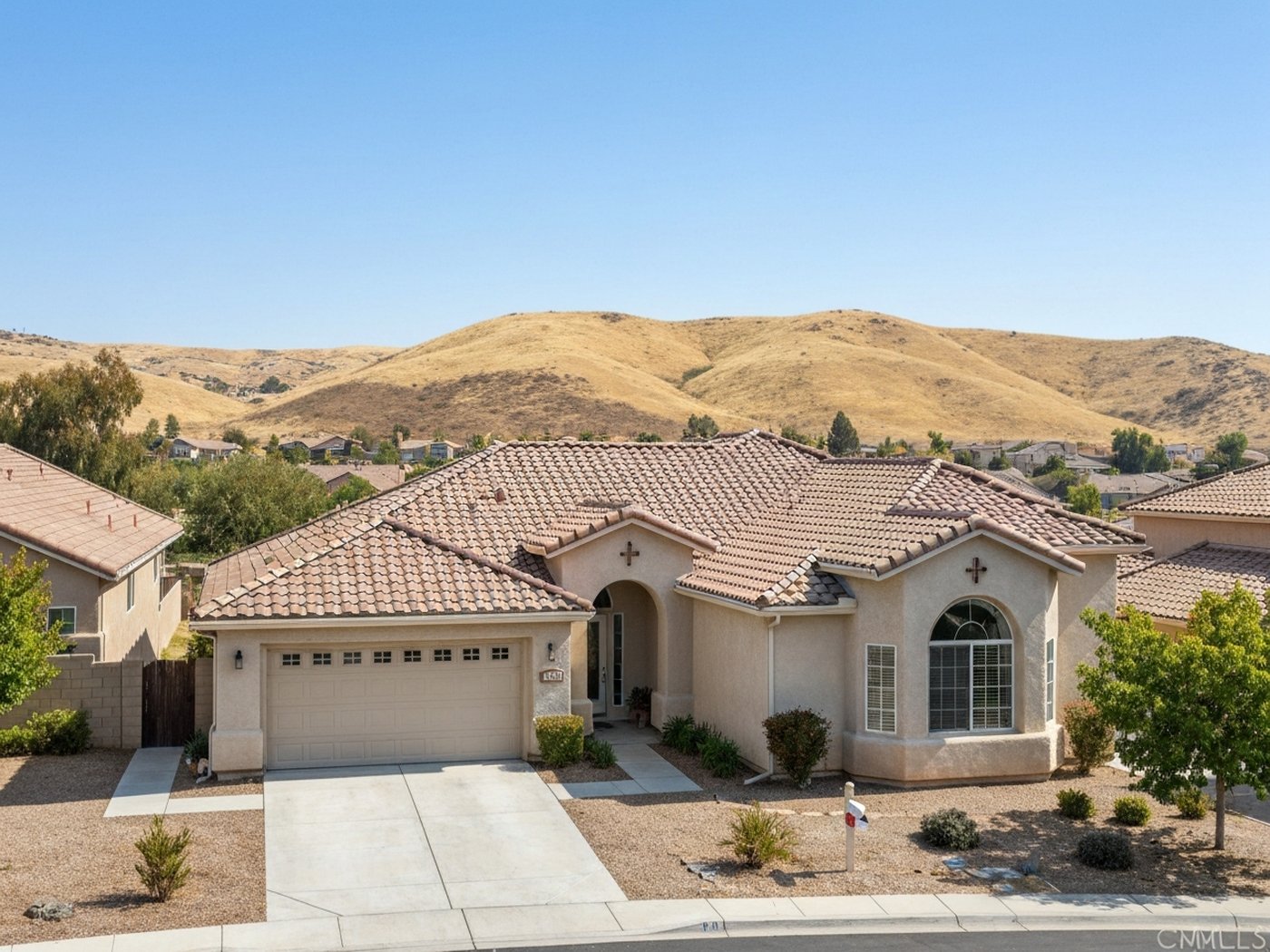
The FAIR Plan exists because California’s standard insurance market pulled back hard from the highest-fire-risk areas, and homeowners who did everything right still got non-renewed. Knowing what the plan actually covers and what it leaves out is what separates people who use it as a genuine safety net from those who find out the hard way that they were underinsured.
What the California FAIR Plan actually covers
The FAIR Plan is administered by the California FAIR Plan Association (CFPA), a state-mandated association of private insurers. The California Department of Insurance (CDI) oversees it, sets the rules, and is the right place to call if you have a dispute. That CFPA-plus-CDI structure is what makes the California plan its own animal even though the core product is a “Basic Form” named-perils policy like every other state’s FAIR plan. (The hub explainer on what a FAIR plan is walks through the named-perils mechanics and how they differ from a standard HO-3.)
What’s genuinely California-specific is the dwelling limit. Coverage limits for residential properties here have been increased through CDI actions in recent years. As of those changes, FAIR Plan dwelling coverage can reach up to $3 million for residential properties. Verify current limits with CFPA or your agent, since these figures are subject to revision. Whatever the limit, you need to set your dwelling coverage to the actual replacement cost of your home, not its market value and not what you paid for it years ago. After a major wildfire, demand surge (the spike in labor and material costs when whole neighborhoods rebuild simultaneously) routinely pushes rebuild costs well above prefire estimates. Underinsurance is just as painful under the FAIR Plan as with any private carrier.
The FAIR Plan offers optional endorsements beyond the basic fire coverage: extended coverage (windstorm, hail, riot, aircraft, vehicle damage), vandalism and malicious mischief, and limited personal property coverage. Those are add-ons. By default, what is NOT included: personal liability, water damage, theft, and loss of use. Loss of use (the additional living expenses that cover your rent and meals while your home is rebuilt) is the coverage most people underestimate, and it’s exactly what the FAIR Plan leaves out unless you arrange for it separately.
Pairing it with a DIC policy
Because the Basic Form leaves out liability, theft, water damage, and loss of use, most California homeowners pair the FAIR Plan with a private Difference in Conditions (DIC) policy that fills those gaps. How a DIC works and what it covers is the same here as anywhere else, so I’ve put the full breakdown in the hub piece on what a FAIR plan is. The California-specific advice: work with a licensed California agent who knows how to match a DIC to a CFPA policy, and read the CDI’s plain-language FAIR Plan consumer guide before any agent conversation. It will save you from agreeing to things you don’t fully understand.
Who qualifies
To apply for a California FAIR Plan policy, you need to demonstrate that you’ve been unable to obtain coverage through the standard market. The practical threshold has historically involved a documented denial from at least one standard-market carrier. CDI has updated and clarified these requirements as the non-renewal crisis deepened statewide, so verify current eligibility rules directly with CFPA or a licensed agent rather than relying on older sources.
The property also needs to meet basic insurability standards. A home in obvious disrepair, with clear structural or fire-hazard problems, may not qualify without remediation. The FAIR Plan is a backstop for homeowners who are trying to insure a property in reasonable condition.
How to apply
You apply through a licensed California insurance agent or broker, not directly through CFPA. This is useful rather than inconvenient: a good agent can confirm that you’ve exhausted standard-market options, help you set an accurate dwelling limit based on current rebuild costs in your area, and pair a DIC policy at the same time.
Before you meet with an agent, have ready: the property address and square footage, an estimate of current rebuild cost per square foot in your area (your agent can help calculate this), and documentation of any prior non-renewals or declinations from standard-market carriers. That documentation is what establishes your eligibility.
What it costs in California
The honest answer: more than a comparable standard-market policy, and the range is wide.
FAIR Plan rates here are set by CFPA and approved by the CDI. They’re regulated, which puts a ceiling on the number, but they’re not competitive in the way private-market pricing can be for lower-risk properties. For rough context: standard homeowners policies in lower-risk California areas might run $1,000 to $2,500 per year. FAIR Plan policies in high-fire-risk California areas commonly run $3,000 to $6,000 or more annually for the fire coverage alone, and adding a DIC on top raises the total. These are illustrative ranges, not quotes. Your actual premium depends on location, construction type, dwelling limit, deductible, and current rate filings. Ask for real numbers. For how all of this fits into the wider California market (the non-renewal law, what the admitted carriers are doing, the discounts on offer), the California wildfire insurance overview is the companion to this page.
Getting back to the standard market
The FAIR Plan is structured as a temporary backstop. California has built several programs specifically designed to help homeowners lower their demonstrated risk and get back onto a private policy.
The CDI’s “Safer from Wildfires” (SFW) framework, developed with Cal Fire and the California Governor’s Office of Emergency Services, establishes specific mitigation steps that admitted California insurers are required to consider in their underwriting decisions and use as the basis for discounts. The framework identifies actions across six categories: fire-rated (Class A) roofing, ember-resistant vent covers, fire-resistant or noncombustible deck surfacing, fire-resistant siding and walls, multi-pane tempered windows, and clearing the first five feet around the foundation (what Cal Fire calls Zone 0 in their Defensible Space program). Discount amounts and eligibility vary by insurer, so ask your own carrier directly what they offer and what documentation you’d need to qualify. This is educational context, not a guarantee of any specific discount.
Third-party programs can help you document the work. The IBHS “Wildfire Prepared Home” designation is an inspection-based recognition that some carriers weigh when they’re evaluating a property. Firewise USA, an NFPA community program, provides neighborhood-level recognition. Neither guarantees coverage, but they give you something concrete to show an underwriter, and that matters more than it used to.
I do in-home exterior assessments as a gutter and water-management consultant, and I see the roofline up close on every job. The gutter is one of the first places embers find fuel on a home. Dry pine needles and leaf debris pack into that trough and sit along the entire eave, right at the seam between roof sheathing, fascia, and the exterior wall. One ember into that dry channel gives you an ignition point at the most exposed part of the building. Cal Fire’s zone-by-zone Defensible Space guidance calls out combustible debris on the rooftop and in gutters specifically. Keeping gutters clear, by regular cleaning or by installing a noncombustible stainless micro-mesh guard, is the kind of documented, specific action that belongs in a mitigation file you’d show a carrier.
For a complete list of hardening steps that affect both your fire risk and your insurance options, the wildfire home hardening guide covers the full picture. For a broader look at how standard policies handle wildfire and where the coverage gaps typically show up, the wildfire home insurance guide is the right companion to this article. And if you’re still on the standard market and trying to understand what you actually have before you end up needing the FAIR Plan, what homeowners insurance covers for wildfire damage is the place to start.
One last thing: document everything. Dated photos of your roof condition, vent covers, cleared Zone 0, clean gutters, receipts for any work you’ve done. That file serves three purposes at once: supporting a mitigation discount conversation, strengthening a non-renewal appeal, and speeding up a claim if you ever need to file one. It costs almost nothing to maintain and it’s one of the more reliable things you can do.
FAQ
Is the California FAIR Plan a good policy? It is what it’s designed to be: a regulated backstop for homeowners who can’t access the standard market. The fire coverage is real. The gaps are also real: no liability, no theft, no water damage, no loss of use by default. Most homeowners pair it with a DIC policy to fill those gaps, and the combined cost is usually higher than a comparable standard policy would have been. Treat it as a bridge, not a destination.
Can I get liability coverage through the California FAIR Plan? No. Liability protection is not available through the FAIR Plan. A DIC (Difference in Conditions) policy from a private insurer is how you get it. Closing this gap is critical: liability claims don’t pause because a wildfire displaced you, and without a companion policy you’re exposed on that front entirely.
How do I find out if I qualify for the California FAIR Plan? Work with a licensed California insurance agent. They can confirm whether you meet current eligibility requirements (which typically involve documented inability to obtain standard-market coverage), help set an accurate dwelling limit, and pair a DIC policy at the same time. The CDI’s website also publishes current eligibility rules and a plain-language consumer guide to the FAIR Plan that’s worth reading first.
Will hardening my home lower my California FAIR Plan premium? Not directly, in most cases. FAIR Plan rates go through CDI approval and aren’t structured the way private-market mitigation discounts are. The bigger return on hardening is what it does for your options: California’s Safer from Wildfires framework requires admitted insurers to factor in mitigation steps when pricing policies, so documented work improves your chances of getting back to the standard market and qualifying for a discount there. Ask any carrier directly what they consider and what documentation they want. The risk reduction is worth it regardless of what it does for the premium.
Related guides
Indiana FAIR Plan Insurance: Coverage of Last Resort
What Indiana homeowners need to know about the Indiana FAIR Plan: what it covers, what it leaves out, and how to fill the gaps if the standard market won't write you.
Read the guide →Wildfire Insurance Coverage: What a Standard Policy Includes
A standard HO-3 policy covers wildfire, but the four coverage types, your limits, and key endorsements determine how much protection you actually have.
Read the guide →Minnesota FAIR Plan Insurance: A Homeowner's Guide
How Minnesota's FAIR Plan works for homeowners in fire-risk areas: coverage specifics, typical costs, and the gaps you need to fill with a separate policy.
Read the guide →Keep ignitable debris out of your roofline
Get a free, no-obligation LeafFilter gutter-protection assessment. Fine micro-mesh keeps leaves and pine needles out of the gutters, the spot where wind-blown embers love to land. Booking through us supports this site.
Get a free LeafFilter assessment →