Class A Roof Covering: Materials That Meet the Top Fire Rating
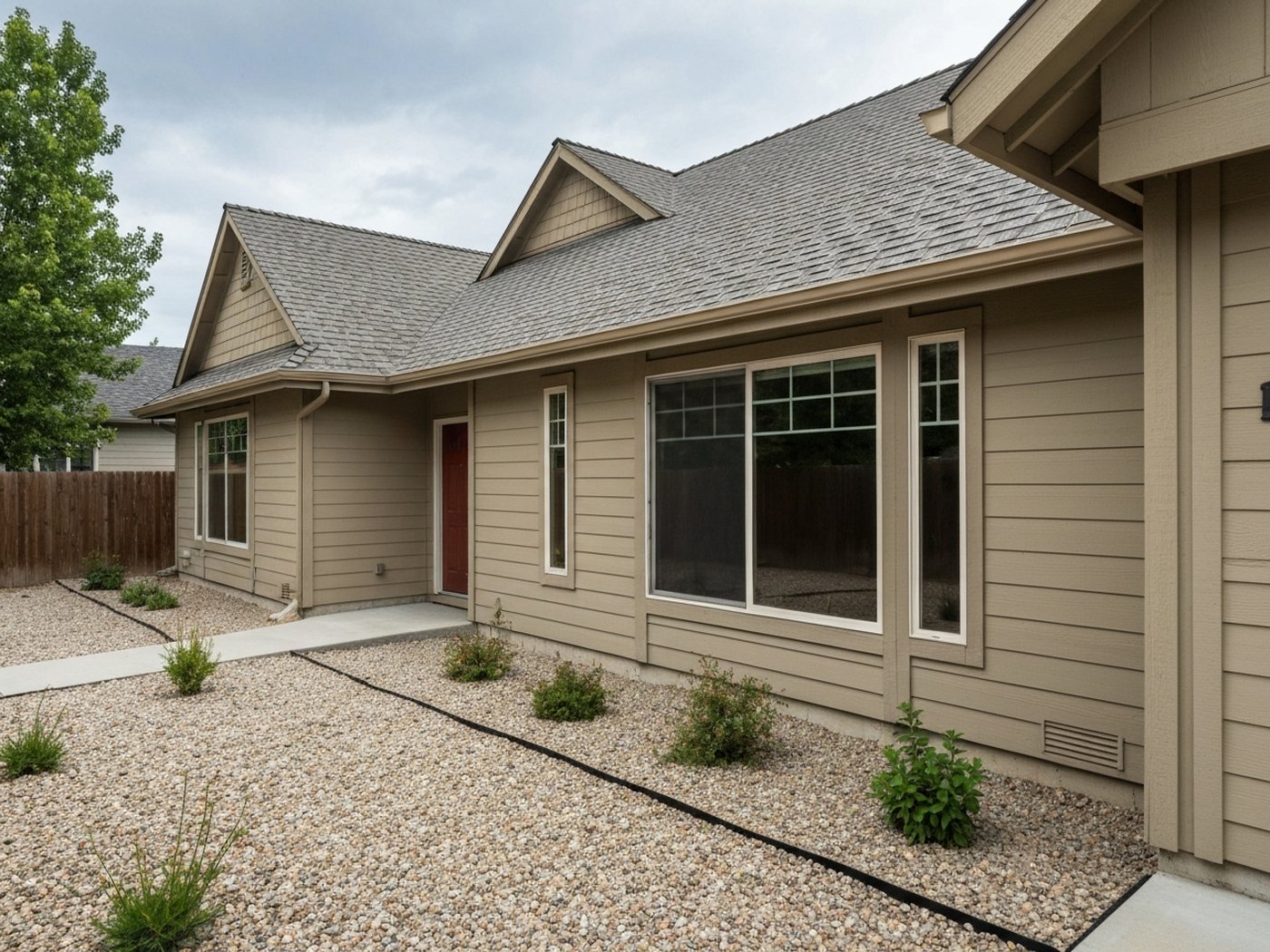
The rating scale runs A, B, and C, with A at the top. Class C is the minimum most US building codes allow for new roofs. Class A is what IBHS, Firewise USA, and Cal Fire consistently recommend for homes in or near wildfire territory. If you’re in a WUI zone and shopping for a new roof, Class A is the floor, not a bonus.
What the tests actually measure
ASTM E108 (also published as UL 790 by Underwriters Laboratories) covers three distinct tests. A roof covering has to pass all three at the Class A level to earn the rating, and knowing what they test tells you exactly what the rating is and isn’t protecting against.
The spread of flame test exposes the roofing to a gas flame from below while air blows across the surface from above, simulating wind-driven fire. It measures how far flame travels along the material. Class A limits spread to no more than 6 feet. Class B allows up to 8 feet. Class C allows up to 13 feet.
The burning brand test is the one most directly relevant to wildfire. A standardized burning block of wood (scaled by class, with Class A using the largest brand) is placed on the roof surface under wind flow. The test measures whether the brand ignites the roofing. Class A uses a brand that represents a severe ember load: bigger, hotter, more sustained than the B or C versions. This is the test that mirrors what actually happens during a wildfire. Embers land on the roof and the roof either ignites or it doesn’t.
The intermittent flame test cycles a flame on and off repeatedly, simulating fire brands that ignite, smolder, partially extinguish, and re-ignite. The roofing has to survive the cycling without sustaining combustion on its own.
One thing people don’t always catch: Class A applies to the roof system, not just the top layer. An asphalt shingle might carry a Class A rating, but that rating assumes a specific underlayment below it. Swap the underlayment and the system rating may change. This matters when a contractor substitutes materials mid-job. Get the full system spec before work starts, not just the shingle’s marketing sheet.
Materials that naturally earn Class A
Some materials pass the Class A tests without any added treatment, because of what they’re made of.
Concrete tile is inherently noncombustible. It won’t burn and it transfers heat slowly. It’s also heavy, which is a structural design consideration. Installed cost typically runs $200 to $500 per square (one square equals 100 square feet of finished roofing), depending on the profile, the region, and whether the roof structure needs reinforcement for the added weight.
Clay tile works the same way. The terracotta tile common on Mediterranean-style homes has been proving this for centuries in fire-prone parts of the world. Clay runs slightly pricier than concrete on average, roughly $300 to $700 per square installed, partly because the pool of contractors comfortable with it is smaller.
Metal roofing earns Class A naturally. Standing seam steel, corrugated aluminum and steel, stone-coated steel, and copper all qualify. When panels are properly lapped and fastened there’s very little for embers to probe into. Cost varies widely: a basic corrugated panel on a simple roof runs toward the low end; a fully integrated standing seam system with concealed fasteners runs $400 to $1,000 per square installed or more on complex residential roofs. Stone-coated steel typically lands at $400 to $700 per square and looks more like conventional shingles if that matters architecturally.
Slate is natural stone and inherently Class A. Genuine slate roofs routinely last 100 years or longer, which is worth factoring in when the installed cost runs $600 to $1,500 per square or higher on complex jobs. Not the practical first choice for most people, but worth knowing about for the right house.
Fiber cement shingles can earn Class A ratings and give something close to the look of a wood shake without wood’s fire liability. Installed costs typically run $200 to $500 per square.
The asphalt shingle situation
Most American homes have asphalt shingles, and many of them qualify for Class A. The nuance is that the rating is product-specific and underlayment-dependent.
Major manufacturers, including Owens Corning, GAF, and CertainTeed, offer Class A products across their standard lines. An architectural (dimensional) shingle from any of the major brands is commonly Class A, but check the product data sheet rather than assuming. The data sheet will also specify the underlayment the rating requires, typically a fiberglass-mat product rather than traditional felt.
Installed cost for a Class A asphalt shingle system runs roughly $150 to $400 per square, which is why it’s the practical default for most re-roofing jobs. It’s significantly cheaper than tile or metal and clears the bar. In a WUI zone that’s a legitimate answer, not a compromise, as long as the product carries the Class A rating and the underlayment is correct.

Ask your roofer for the ICC Evaluation Report or UL listing number for the specific product being installed. The Class A rating and the required underlayment are documented there, not on the packaging.
What Class A does and doesn’t protect against
A Class A roof surface is significantly harder for an ember to ignite than a Class B, C, or unrated surface. Homes with Class A roofs consistently perform better in wildfire events than those with lower-rated roofing. IBHS research has documented this repeatedly. That’s real, and it’s why building codes in WUI territory point toward it.
What it doesn’t do is make the roof immune to every ignition pathway.
Embers don’t only land flat on the field of the roof. They also collect in valleys (the low channels where two roof planes meet at an angle), pile up in gutters at the eave, and work into gaps at the ridge, hips, and soffits. A Class A field surface doesn’t help if embers are accumulating in a gutter full of dry pine needles right at the roofline edge. The fire takes hold in the debris, not on the rated tile beside it.
This is the part of the job I keep coming back to. I do a lot of work at the roofline on water-management assessments, and the most common thing I see on otherwise well-prepared homes is a Class A roof over a gutter loaded with last season’s debris. The roof passes the test. The organic material sitting at its edge doesn’t. Keeping the gutter clear is part of the same project as choosing the right roofing material. Our guide on gutter guards for pine needles and fire debris covers what actually works at the roofline.

A Class A roof with a gutter packed with dry debris still has a vulnerable point at the eave. The ember lands in the debris, not on the rated surface beside it.
Code requirements and where they apply
The International Residential Code (IRC), the base building code adopted in most US states, sets a minimum of Class B for new residential roofing. That’s a floor, not a ceiling, and many jurisdictions in WUI territory have adopted stricter local amendments requiring Class A.
California is the clearest example. The California Building Code requires Class A roof coverings for buildings in State Responsibility Areas (SRAs) and in High Fire Hazard Severity Zones (HFHSZs) designated by local jurisdictions. Cal Fire publishes the SRA maps. If your home is in one of those zones, Class A isn’t optional for a re-roof.
Outside California, NFPA 1141 (the Standard for Fire Protection Infrastructure for Land Development in Wildland, Rural, and Suburban Areas) and the International WUI Code both point to Class A for new WUI construction. Colorado, Oregon, and other states with significant WUI exposure have communities that have adopted one or both of these standards, or equivalent local provisions. The right call is to check with your local building department before specifying a roofing material. What’s a minimum elsewhere may not satisfy the local amendment where your house sits.
Wood shakes deserve a specific note. Untreated wood shakes are Class C or unrated and are prohibited for new construction in most WUI zones in the US. Fire-retardant-treated (FRT) wood can reach Class A or B ratings, but the treatment degrades over time and the maintenance burden is real. Most wildfire-oriented building codes steer away from wood roofing entirely. If you have an older home with untreated shakes in a fire zone, the roof is a priority replacement.
The insurance angle
The honest hedge first: premium discounts and coverage terms for fire-rated roofs vary significantly by insurer, state, and individual policy. This is educational context, not professional insurance advice. Confirm your specific situation with your own insurer and your state’s Department of Insurance.
With that said, the connection between roof class and insurance is real and growing. Some carriers in wildfire-prone states offer premium credits for homes with Class A roofs, and the trajectory of WUI underwriting is toward rewarding documented hardening work. California’s “Safer from Wildfires” framework, developed by the California Department of Insurance, requires admitted insurers to offer discounts to policyholders who complete listed mitigation measures. Class A roofing is one element of that framework, though the specific discount each insurer offers varies and you’d need to confirm directly with your carrier.
IBHS’s Wildfire Prepared Home designation evaluates a home’s roof, vents, siding, and defensible space together and produces a third-party-verified hardening credential some carriers recognize. It doesn’t guarantee a discount, but it gives you documented evidence to bring to an underwriter rather than a verbal description of upgrades you made years ago.
If you’ve been non-renewed or are watching your premiums climb, the wildfire home hardening guide covers the full priority checklist, roof and beyond. The wildfire home insurance guide addresses the coverage-availability problem directly, including what to do if the standard market won’t write you and how FAIR plans fit in.
FAQ
Is all asphalt shingle roofing Class A? No. Many products from major manufacturers carry a Class A rating, but it’s product-specific and depends on the underlayment system. The product data sheet or UL listing will confirm the rating and list the required underlayment. Don’t assume a new shingle roof is automatically Class A without verifying the spec before the job starts, because not every contractor volunteers that detail.
Does a Class A roof reduce my homeowners insurance premium? It can, but the impact varies by insurer, state, and policy. Some carriers in wildfire-prone states offer discounts that factor in roof class, and California’s “Safer from Wildfires” framework requires admitted insurers to offer discounts for listed improvements. Ask your own carrier directly, confirm with your state’s Department of Insurance, and document your roof’s class with the product data sheet or an independent home hardening assessment.
Can I get a Class A rating without replacing the whole roof? Not meaningfully. The rating applies to the roofing system as installed, and adding a Class A material on top of a non-compliant roof doesn’t earn the designation. If your roof has significant service life remaining, focus budget on the adjacent work: keeping the gutters clear, installing ember-resistant vents, and maintaining Zone 0 clearance. When the roof is due for replacement, specify Class A and get the product listing documented in writing.
Are wood shake roofs legal in fire zones? Untreated wood shakes are Class C or unrated and are barred from new construction in most WUI zones across the US. Fire-retardant-treated wood can reach Class A or B ratings, but the treatment degrades and requires ongoing attention to maintain its rating. Most wildfire-oriented codes avoid wood roofing entirely, and the trend in re-roofing requirements is moving the same direction. If you own an older home with untreated shakes in a designated fire zone, getting the roof replaced with a Class A product is about as high-priority a hardening step as exists.
Related guides
Class A Roofing Shingles: The Fire-Rated Choice for Asphalt Roofs
Class A asphalt shingles carry the highest fire rating for roofing in the US and are the baseline for any wildfire-resilient roof in a fire-prone state.
Read the guide →What Is a Class 4 Roof? Impact Resistance and Insurance Savings
A Class 4 impact-resistant roof can earn meaningful insurance discounts and adds roofline durability, but it is not the same as a fire rating. Here is what to know.
Read the guide →Class A Roof Assembly: How the Whole System Earns Its Rating
A Class A fire rating applies to the whole roof assembly, not just the shingles, and understanding the difference changes how you approach re-roofing in fire country.
Read the guide →Keep ignitable debris out of your roofline
Get a free, no-obligation LeafFilter gutter-protection assessment. Fine micro-mesh keeps leaves and pine needles out of the gutters, the spot where wind-blown embers love to land. Booking through us supports this site.
Get a free LeafFilter assessment →