Class A Roof, Explained: What Qualifies and What It Costs
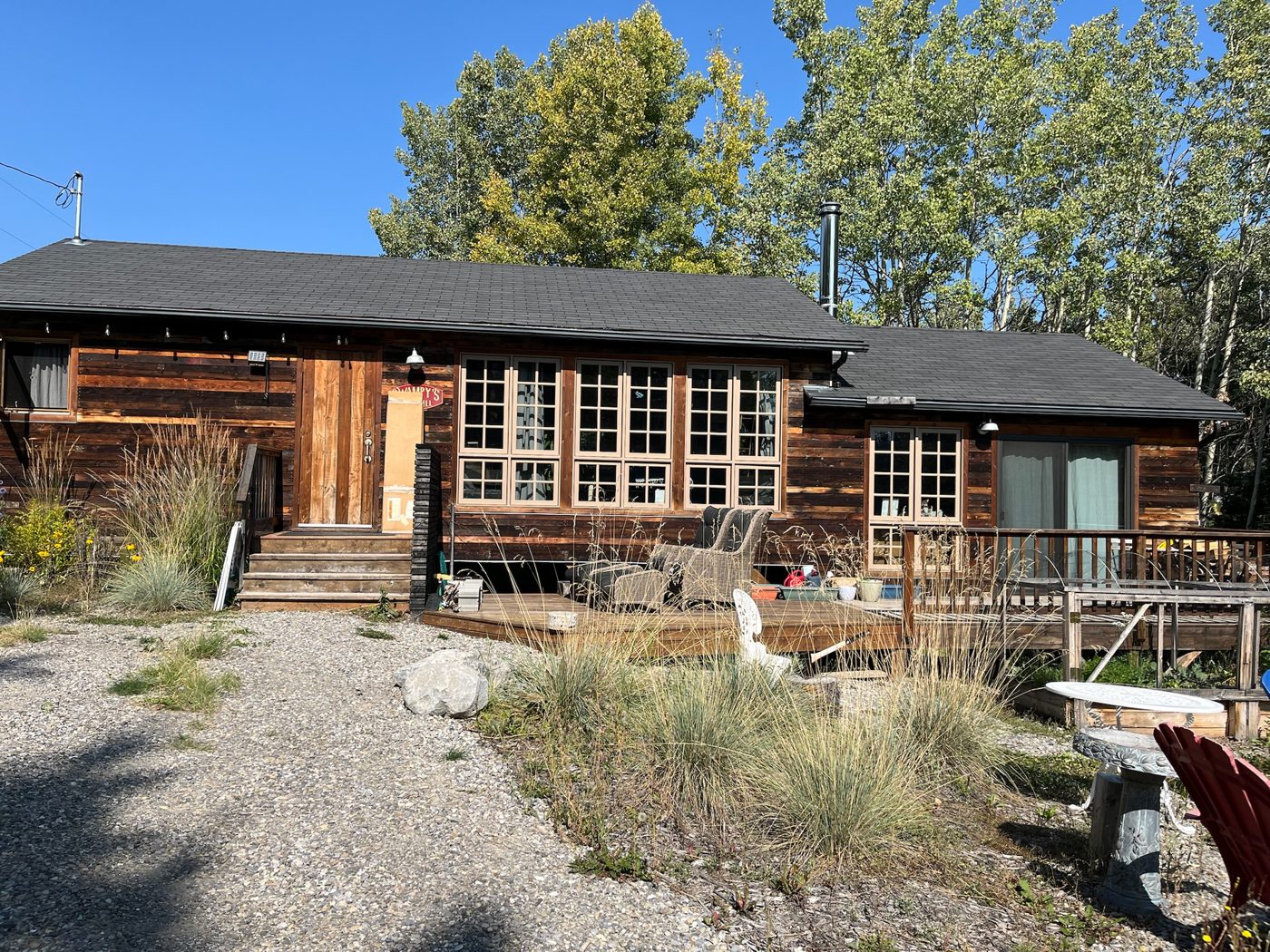
The roof is the biggest horizontal surface on your house, and in a wildfire it catches a lot of what the wind throws at it. Most of my work is at the gutters and eaves, but every hardening conversation I have eventually lands on the roof, because what’s sitting on top of it and what it’s made of are two of the biggest variables in whether a house survives.
What the rating actually measures
The Class A designation comes from UL 790 (Underwriters Laboratories) and its ASTM equivalent, ASTM E108. These are the tests the roofing industry and building codes use to rank assemblies by fire resistance. Not the surface material alone, but the full assembly: what’s on top, what’s underneath it, and how they behave together.
The standard runs three tests on a full-scale roof section:
Spread of flame. How far fire travels across the surface when a gas burner is applied with airflow pushing it along. Class A allows no more than 6 feet of spread.
Burning brand. A glowing block of wood (the “burning brand,” meant to simulate an ember) is placed on the roof under airflow. The assembly has to withstand multiple brands without catching. This is the test most directly tied to wildfire risk, because wind-blown embers are the number-one documented cause of home loss in wildfires, per IBHS and Cal Fire research.
Intermittent flame. A burner cycles on and off, and the assembly must resist igniting through repeated exposure.
A Class A assembly passes all three at the most stringent level. Class B and C pass the same tests at lower standards. No rating at all means the material hasn’t been tested or doesn’t meet C. In WUI (Wildland-Urban Interface) areas, many state and local codes now require Class A for new construction and re-roofing.
Which materials qualify as Class A
Some materials are Class A by nature. Others get there through the right assembly. The distinction matters.
Concrete tile. Dense, noncombustible, naturally Class A. Standard in California’s fire-risk zones for good reason. Heavy, which means some older homes need a structural assessment before reroofing with it.
Clay tile. Also noncombustible and naturally Class A. The classic red-tile look of the Southwest and California. Slightly heavier than concrete per square foot. Same structural-load caveat applies.
Slate. Natural stone, Class A. Extremely durable (some slate roofs last well over a century), very heavy, and expensive. Common in the Northeast; less so in fire-country West, but it qualifies.
Metal roofing. Steel, aluminum, copper, and zinc are all noncombustible and Class A rated. This covers standing-seam metal panels and metal shingles. Metal roofing has gotten popular in fire country for a straightforward reason: it doesn’t burn, it sheds embers without catching, and it holds up to radiant heat better than most materials.
Asphalt shingles (when assembled correctly). Asphalt shingles with a fiberglass mat are the most common roofing material in the US. Many are listed as Class A, but the listing applies to the full assembly, including the required underlayment and the deck beneath it. Buy Class A-listed shingles, use the specified underlayment, and you get a Class A roof. Use a cheaper underlayment or skip a layer, and you may lose the listing. This is the most common source of confusion on asphalt roofs, and the part contractors sometimes cut corners on.

When replacing an asphalt shingle roof, ask your contractor to show you the product's UL listing sheet and confirm the underlayment they plan to use matches it. The shingle box alone doesn't earn the rating.
What does not qualify, or barely does
Untreated wood shingles and shakes. Natural wood is Class C at best without treatment, and often unrated. Some treated wood shingles can reach Class B. Treated-to-Class-A products exist but are uncommon, and fire-retardant treatments on wood degrade over time, meaning re-treatment or replacement eventually. IBHS and Cal Fire both flag wood roofing as a significant wildfire vulnerability. If you’re in a fire-risk area with wood shakes, that’s worth addressing before the next fire season.
Older asphalt shingles with an organic mat. Most of these predate the industry’s shift to fiberglass mats and are Class C at best. If your roof is more than 20 to 25 years old, it’s worth knowing what generation of asphalt shingle is up there.
Flat and low-slope roofing. Some flat roof systems carry Class A listings through specific product combinations, but not all. Check the specific listing, especially on older commercial-style low-slope roofs on residential structures.
What a Class A roof costs
Roofing costs swing widely based on material, roof complexity, slope, local labor rates, and whether you’re doing a full tear-off or going over an existing layer (where codes allow). These are rough installed ranges for a typical 2,000-square-foot home:
- Class A asphalt shingles: $9,000 to $25,000. The wide range reflects shingle grade (basic 3-tab vs. architectural vs. premium impact-resistant), region, and complexity.
- Metal roofing (steel or aluminum panels or shingles): $15,000 to $40,000 or more. Standing-seam tends to run more than metal shingles.
- Concrete tile: $15,000 to $35,000.
- Clay tile: $20,000 to $50,000 or higher for premium profiles.
- Slate: $25,000 to $60,000 or more. Labor-intensive and requires experienced installers.
Those numbers don’t include structural upgrades if your framing needs reinforcement for tile or slate weight. They also don’t include gutters, flashing, or other roofline work done at the same time.

A Class A rating on the shingle box means nothing if the underlayment doesn't match the UL listing. In a fire zone, confirm in writing that the full assembly matches the rated spec.
Class A roofing and your insurance
Carriers in high fire-risk areas increasingly care what your roof is made of. A Class A roof is one of the hardening details that can affect your insurability and your premium. Specifics vary by insurer, state, and policy, and I won’t give you numbers to hold any carrier to, but the general direction is consistent across the market.
In California, the state’s “Safer from Wildfires” framework ties insurance discounts to specific home-hardening actions. Roof class is one of the qualifying factors. Admitted carriers in California are required to offer discounts to homeowners who meet the program’s criteria. Similar frameworks are being developed or considered in other high-risk states, but as of mid-2026 California’s is the most formalized. Check with your own insurer and your state Department of Insurance for what applies where you live.
IBHS has a “Wildfire Prepared Home” designation program that evaluates homes on a set of hardening criteria, including the roof. Some carriers use that designation (or similar third-party evaluations) to inform their underwriting and discounts. If keeping or recovering standard-market coverage is a goal, documenting a Class A roof with receipts, photos, and the product’s UL listing is part of your file. That connects directly to the broader hardening-and-documentation strategy covered in the wildfire home insurance guide.
If you’re on a state FAIR plan, a Class A roof may factor into qualifying for certain tiers or strengthen your application when you try to return to the standard market. Confirm with your state’s FAIR plan directly, since rules vary considerably by state.
This is educational, not professional insurance advice. Specifics vary by insurer, state, and policy. Confirm what applies to you with your own carrier and your state Department of Insurance before making decisions based on coverage expectations.
When Class A is required by code
Many WUI zones now require Class A roofing by code for new construction and for re-roofing projects above a certain scope. California has required Class A on new roofs in the state’s highest-risk areas (State Responsibility Areas and Very High Fire Hazard Severity Zones within local jurisdictions) for years, under the California Building Code.
Other states and counties have adopted or are adopting similar requirements, particularly after major fire events. If you’re doing a re-roof in a fire-risk area, check with your local building department before work starts. Pulling a permit matters here: a permitted re-roof in a WUI zone should be inspected to confirm the Class A requirement is met. If a contractor suggests skipping the permit to save money, that’s a reason to pause.
The thing a new Class A roof does not fix on its own
I spend a lot of time looking at the roofline from the outside, and a Class A roof is a start, not a finish. The research from IBHS and Cal Fire keeps pointing at the same mechanism: embers, blown ahead of the fire, are the leading cause of home loss in wildfires. They don’t just land on the surface. They collect in debris.
A gutter packed with dry needles, leaf litter, and shingle granules is a strip of ready fuel running the perimeter of the roof. That debris sits at the seam where the roof meets the fascia, which is also where the roofing assembly is most exposed. I’ve seen tile roofs on homes where the gutter was holding a season’s worth of kindling. The tile won’t be the failure point. The gutter will.
The complete approach in our wildfire home hardening guide treats the roof material and the roofline together. A Class A surface, ember-resistant vents (IBHS recommends 1/16-inch mesh or smaller on all attic openings), clean gutters, and a clear Zone 0 (the first five feet around the structure, per Cal Fire’s guidance) work as a system. If pine debris in your gutters is the part you’re still sorting out, I went through that specifically in best gutter guards for pine needles and fire debris.
FAQ
Does a Class A roof mean my house is protected from wildfire? It substantially raises your odds, but it’s one layer of defense, not a guarantee. A Class A surface resists ignition from embers and direct flame contact better than any other roofing type. But homes fail through multiple pathways: vents, gutters, the area immediately around the foundation, and siding all matter equally. IBHS’s research shows embers commonly enter through unprotected vents and accumulate in debris at the roofline and foundation, not just on the roof surface itself. A Class A roof paired with ember-resistant vents, clean gutters, and a clear Zone 0 gives you a meaningful system.
Can I reroof with Class A shingles over my existing roof? Sometimes, yes. Many jurisdictions allow one layer of new shingles over an existing layer, but check your local code first. In fire country, a full tear-off is often the better call: it lets you inspect and replace any damaged decking, confirm the underlayment matches the Class A listing, and start from a clean substrate. A partial or over-lay job can also trap moisture. Whatever route you take, pull the permit. A permitted re-roof in a WUI zone gets inspected to verify code compliance, which protects you if you ever need to document your roof class to an insurer.
Will a Class A roof lower my homeowners insurance premium? It may. In California, admitted insurers must offer wildfire-mitigation discounts under “Safer from Wildfires,” and roof class is one qualifying factor. In other states, discounts vary by carrier and are not universally required. The practical move is to ask your insurer directly: do you offer a mitigation discount for a Class A roof, what documentation do you need, and how much is it? Keep receipts, photos, and the UL listing sheet for the full assembly installed. This is not professional insurance advice; confirm eligibility and amounts with your own insurer and your state Department of Insurance.
How long does a Class A roof last? It varies significantly by material. Asphalt shingles: typically 20 to 30 years for standard architectural grades, 30 or more for premium impact-resistant products. Metal roofing: 40 to 70 years depending on material and finish. Concrete tile: 40 to 50 years. Clay tile and slate: 50 to 100 or more years with proper maintenance. One advantage of tile, metal, or slate in a fire zone beyond the fire-resistance rating is durability: you’re not cycling through a new roof every 20 years, and noncombustible materials hold their fire-resistance properties for the life of the product. Treated wood, by contrast, sees its fire-resistance degrade as the treatment breaks down over time.
Related guides
Class A Roofing Shingles: The Fire-Rated Choice for Asphalt Roofs
Class A asphalt shingles carry the highest fire rating for roofing in the US and are the baseline for any wildfire-resilient roof in a fire-prone state.
Read the guide →What Is a Class 4 Roof? Impact Resistance and Insurance Savings
A Class 4 impact-resistant roof can earn meaningful insurance discounts and adds roofline durability, but it is not the same as a fire rating. Here is what to know.
Read the guide →Class A Roof Assembly: How the Whole System Earns Its Rating
A Class A fire rating applies to the whole roof assembly, not just the shingles, and understanding the difference changes how you approach re-roofing in fire country.
Read the guide →Keep ignitable debris out of your roofline
Get a free, no-obligation LeafFilter gutter-protection assessment. Fine micro-mesh keeps leaves and pine needles out of the gutters, the spot where wind-blown embers love to land. Booking through us supports this site.
Get a free LeafFilter assessment →