Class A Roofing Materials Compared: Asphalt, Metal, Tile, and Slate
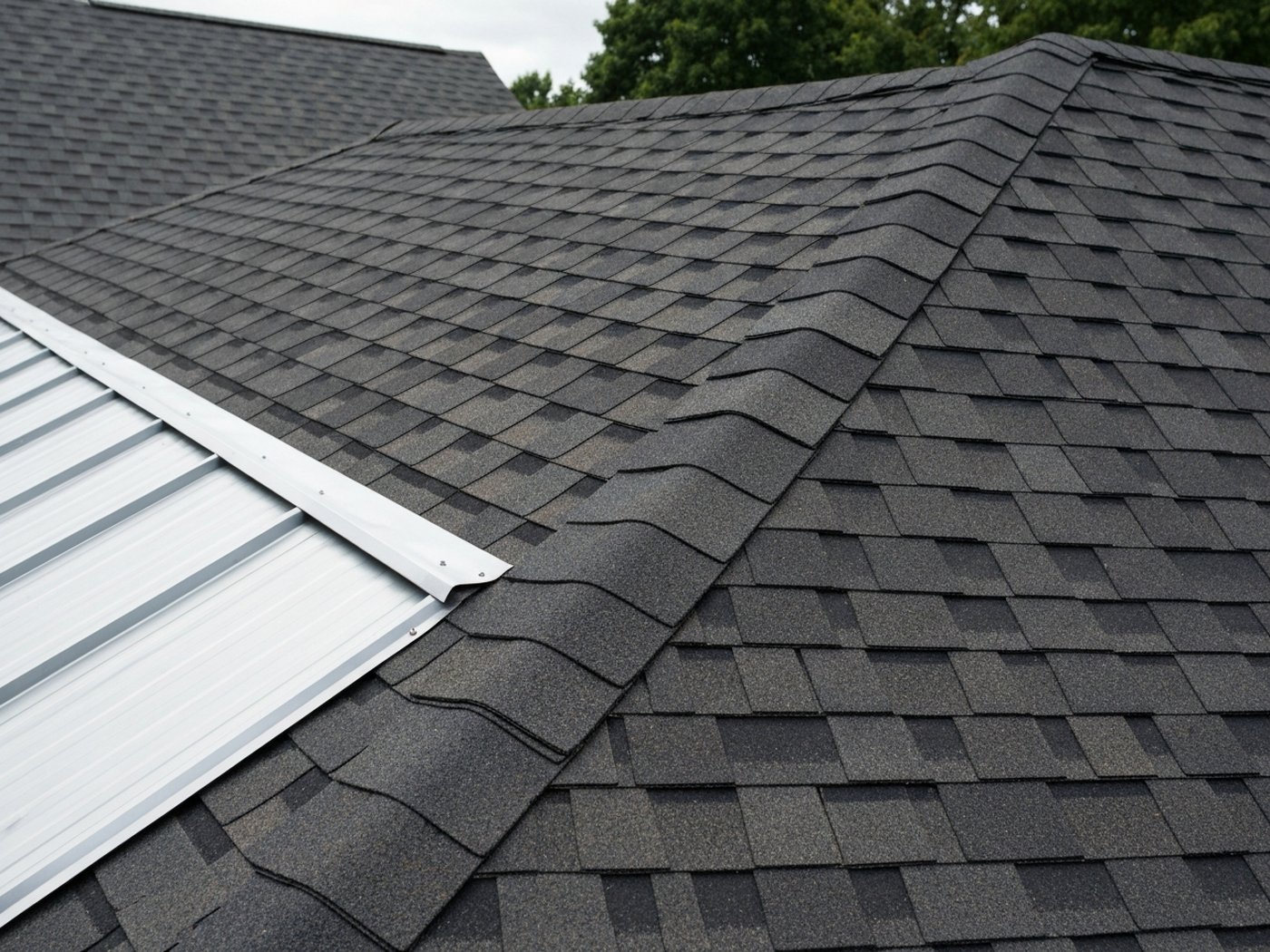
The roof is the largest exposed surface on your house and one of the first places embers land. IBHS (Insurance Institute for Business & Home Safety) has documented this in post-fire field research across multiple fire events: wind-driven embers travel far ahead of the main fire front, sometimes a mile or more, and the roof is a primary target. A Class A fire rating is the baseline that wildfire research, fire codes in WUI zones, and home-hardening guidance all point to. But the four materials that earn it are not interchangeable. They make very different trade-offs on cost, weight, longevity, and what actually happens when things go wrong.
What “Class A” actually means
The Class A designation comes from ASTM E108, the fire test standard that roofing laboratories use to evaluate materials under four separate conditions: a spread-of-flame test, an intermittent flame test, a burning-brand test (a glowing ember dropped directly onto the surface), and a flying-brand test. Class A means the assembly performed at the highest level on all four. Class B and Class C represent progressively lower performance. If you want more detail on how the rating system works and what the tests actually measure, Class A roof explained goes deeper.
One word in that description matters: assembly. The rating belongs to a specific combination of materials, not just the top layer. An asphalt shingle that earns Class A was tested over a particular underlayment at a particular thickness. Swap in a different underlayment and you may no longer have a Class A assembly, even if the shingle looks identical. Any contractor working in a fire zone should know this. Ask them directly what the full rated assembly is before installation.
Many jurisdictions in WUI (Wildland-Urban Interface) zones now require Class A by code. Cal Fire’s home hardening guidance calls for it, as does NFPA 1. Some counties adopted their own requirements after specific fire events. Check with your local building department before committing to a material, because what is allowed versus required can differ by jurisdiction and even by parcel location within a fire hazard severity zone.
Asphalt fiberglass shingles
If your house already has a Class A roof, there is a reasonable chance it is asphalt. Fiberglass-mat asphalt shingles, which became the residential standard through the 1980s, can achieve Class A when tested as a system over the correct underlayment. The fiberglass mat is what makes that possible. The older organic-mat shingles, mostly out of production now, were generally rated lower.
Asphalt is combustible. That is just chemistry. But a tested Class A assembly resists ignition and flame spread to the highest standard, which is what the fire code and underwriter care about. The durability concern with asphalt is long-term: shingles shed granules as they age, and granule loss degrades fire-resistance performance over time. A 25-year architectural shingle at year 20 is not performing to the same standard it left the factory with. Keep that in mind when weighing repair against replacement on an older roof.
On cost, Class A asphalt architectural shingles are the least expensive option on this list. Roughly $5 to $12 per square foot installed is a common range, though prices vary significantly by region, labor market, and product tier. They are available everywhere, most roofers install them without issue, and the contractor market is competitive. For homeowners balancing fire resilience against budget, asphalt is usually the starting point.
One practical note, and it comes from field experience: even a properly rated asphalt roof does not protect you from what piles up at the edge of it. The roof-to-gutter transition and the valleys are where embers concentrate and debris collects. A fire-rated surface above a gutter packed with dry pine needles is still a problem at the roofline.
Metal roofing
Steel, aluminum, copper, and zinc are all non-combustible. They do not need the tested-assembly caveat that asphalt does. The material itself does not ignite, does not spread flame, and does not produce embers. That inherent quality is why metal is what IBHS and Firewise USA (an NFPA program) most consistently point toward at the high end of the wildfire roof spectrum.
The most common residential metal options are standing seam (smooth interlocked panels with no exposed fasteners) and metal shingles or panels that mimic the look of asphalt or wood shake. Standing seam is particularly strong for ember resistance because the smooth, continuous surface has no raised profile points for embers to wedge against or settle into. If you are in a spot with dense tree cover and heavy needle and cone fall, that matters more than it sounds.

Standing-seam metal has no exposed fasteners and a smooth continuous surface. Embers landing on it have no profile points to lodge against, which is a different level of passive protection than even a well-rated asphalt roof offers.
Metal is also light. A standing-seam steel roof typically runs 50 to 150 lbs per square (a “square” is 100 square feet). That matters when re-roofing an older home that was not originally designed for the weight of tile or slate.
Cost is the main friction. A range of $10 to $20 or more per square foot installed is common for steel and aluminum, though standing seam and metal shingle products span a wide band, and copper or zinc cost considerably more. Metal roofs last 40 to 70 years when properly installed, so the per-year cost math often compares more favorably to asphalt than the upfront number implies. It is still a larger initial outlay. Not every roofing contractor is experienced with metal, and workmanship quality matters more here than on asphalt. Get references from jobs in your climate, not just the closest entry on Google Maps.
Concrete and clay tile
Concrete and clay tile are both non-combustible and Class A, and they are among the most durable roofing options available. Properly installed clay tile can last 50 years or more; some historic clay tile roofs have been in service for well over a century. Concrete tile offers similar fire performance at a somewhat lower cost, with a typical lifespan of 30 to 50 years.
Weight is the defining constraint. Concrete tile runs roughly 750 to 1,200 lbs per square. Clay tile is in a similar range. Most homes built in the last 40 years are not structurally rated for that load without engineering review and, in some cases, added framing. If the home was originally built with tile, the structure is already engineered for it. Otherwise, factor an engineering assessment into the project scope and budget before any tile decision is final. This is not optional in most jurisdictions; it is a structural permit requirement.
The fire nuance with tile is the underlayment, not the tile itself. The tile is non-combustible, but if tiles crack, displace, or gap at the ridge and hip lines, embers can slip underneath and reach the felt or synthetic underlayment beneath, which is often combustible. IBHS has documented this failure mode in post-fire inspections. Some fire codes in high-risk zones now require non-combustible underlayment beneath tile. Ask contractors specifically what they recommend for a fire zone install versus a standard one, and ask whether your local code mandates it.
Cost: $10 to $20 or more per square foot installed is a rough national range. Regional labor and material prices vary considerably, and the structural work adds to the total on homes not originally built for tile.
Slate: natural and synthetic
Natural slate is non-combustible, exceptionally long-lived, and one of the most expensive roofing materials available. A well-quarried and correctly installed natural slate roof realistically lasts 75 to 150 years. Cost typically runs $20 to $40 or more per square foot installed, and natural slate is heavy, in the range of 800 to 1,500 lbs per square. Structural review is essentially mandatory if the home was not originally built for it. The pool of qualified slate installers is also smaller than for other roofing types, and in some markets finding an experienced slate roofer takes real time.
For fire purposes, natural slate performs as well as any non-combustible material. There is no fire-resistance concern with the surface itself. The same underlayment consideration from the tile section applies: cracked or missing pieces over time can expose what is underneath, so deferred maintenance on a slate roof in fire country carries more risk than on a metal or concrete tile roof.
Synthetic composite slate, made from recycled rubber, plastic, or other materials, offers a lighter and less expensive alternative. Most synthetic slate products are Class A. Lifespans are typically 30 to 50 years, shorter than natural slate, and the material profile is different. For homeowners who want the aesthetic without the structural demand or the price, it is worth evaluating. Confirm the specific product’s fire rating directly with the manufacturer before committing; quality varies between manufacturers, and not all synthetic slate products are Class A.

With both tile and slate, a cracked or displaced piece is not just a leak risk. It is a gap where embers can reach the underlayment. Ridge caps, hip caps, and any cracked tile or slate should be repaired promptly in fire country, not left on a deferred maintenance list.
How the four materials actually compare
For fire country, the real comparison comes down to a few dimensions that the spec sheets tend to gloss over.
Combustibility. Metal, concrete tile, clay tile, and slate are non-combustible. Asphalt is combustible but achieves Class A performance through a tested assembly. In practice this distinction matters most if your roof ages past its prime or sustains physical damage, because a degraded asphalt shingle provides less margin than a non-combustible surface does.
Weight. Metal is the lightest option, asphalt is close. Concrete tile, clay tile, and natural slate are heavy enough that existing homes typically need structural review before re-roofing with them. Synthetic slate is substantially lighter than natural slate and may not trigger the same structural requirements.
Longevity. Natural slate and quality metal roofs top the range, 40 to 100 years or more with proper maintenance. Clay tile is in similar territory. Concrete tile and architectural asphalt are typically 30 to 50 years and 25 to 30 years respectively, though hot, UV-intense climates shorten those windows.
Cost. Asphalt is the entry point. Metal and concrete tile are mid-range. Clay tile and synthetic slate vary by product and region. Natural slate is premium.
Contractor availability. Wide for asphalt and most metal panel work. More limited for clay tile and natural slate; expect a longer search and higher labor costs in some markets.
None of these materials makes a home invulnerable to wildfire. What a Class A roof does is reduce the probability that the roof surface itself becomes an ignition point, which is one of the three primary ways embers start structure fires. For the full sequence of hardening priorities, including vents, eaves, decking, and the zones around the house, the wildfire home hardening guide covers all of it together, because the roof is one piece of the system, not the whole answer.
What the roof material means for your insurance
Roof condition and fire rating are among the first things underwriters look at in wildfire-risk areas. A Class A roof does not guarantee coverage or a premium discount, but having one documented can help in the initial underwriting conversation and after a non-renewal notice. Some carriers and state programs recognize wildfire-mitigation improvements, including roof upgrades, in their pricing or as a pathway back to the standard market after non-renewal.
The specifics vary significantly by insurer, policy, and state. This is educational context, not professional insurance advice. Ask your carrier directly: do you offer a discount for a Class A roof, and what documentation do you need? Your state Department of Insurance is the right resource for consumer protections and what insurers are and are not permitted to require in your state.
One documentation habit worth building now: photograph your roof before and after installation, keep the contractor’s paperwork and the manufacturer’s product specifications, and note the specific rated assembly. If you ever need to demonstrate to an insurer or a claims adjuster that your roof was Class A and properly installed, that file does the work.
For the broader coverage picture, including availability issues, FAIR plans for homeowners who have been non-renewed, and what standard policies do and do not cover, the wildfire home insurance guide covers the full landscape.
FAQ
Is an asphalt shingle roof Class A? Fiberglass-mat asphalt shingles often are, when installed as a tested assembly over the manufacturer-specified underlayment. Organic-mat asphalt shingles, mostly out of production, were generally not. If you are not sure what is on your roof, the original building permit, the product label on a shingle, or a roofing contractor can usually identify it. The key question is not just what shingle is up there, but whether the full installed assembly carries a Class A listing.
Which Class A roofing material is best for a wildfire-risk area? Non-combustible options (metal, concrete or clay tile, natural or synthetic slate) have a structural advantage over asphalt because the base material does not burn. Among those, standing-seam metal comes up most often in IBHS guidance and from contractors with fire-zone experience, mainly because it combines non-combustibility with lighter weight, long lifespan, and a smooth surface that does not trap embers. That said, asphalt is meaningfully better than no Class A roof, and budget and structural capacity both matter. A contractor who regularly works in WUI zones is worth the search; local climate, debris patterns, and code requirements all factor into the right answer for a specific property.
Can replacing my roof to Class A lower my homeowners insurance premium? Possibly. Some carriers and state programs recognize wildfire-mitigation improvements, including roof upgrades, in their pricing or as a pathway back to coverage after a non-renewal. But discounts and eligibility vary significantly by insurer, policy, and state. This is not professional insurance advice. Ask your carrier what they require and recognize, and check your state Department of Insurance for consumer resources on wildfire pricing and available protections.
How does the roof connect to the gutters in a wildfire? More directly than most people expect. A fire-rated roof reduces the risk of the roof surface igniting, but embers also land in gutters and collect in the debris that accumulates there: dry pine needles, leaf litter, shingle grit. A gutter packed with that material at the edge of a Class A roof is still a strip of ember fuel running along the roofline, right at the seam where the roof, fascia, and eave meet. Cal Fire and IBHS both include keeping the gutter and eave area free of ignitable debris in their home-hardening checklists. The roof rating and the gutter condition work together, not independently.
Related guides
Class A Roofing Shingles: The Fire-Rated Choice for Asphalt Roofs
Class A asphalt shingles carry the highest fire rating for roofing in the US and are the baseline for any wildfire-resilient roof in a fire-prone state.
Read the guide →What Is a Class 4 Roof? Impact Resistance and Insurance Savings
A Class 4 impact-resistant roof can earn meaningful insurance discounts and adds roofline durability, but it is not the same as a fire rating. Here is what to know.
Read the guide →Class A Roof Assembly: How the Whole System Earns Its Rating
A Class A fire rating applies to the whole roof assembly, not just the shingles, and understanding the difference changes how you approach re-roofing in fire country.
Read the guide →Keep ignitable debris out of your roofline
Get a free, no-obligation LeafFilter gutter-protection assessment. Fine micro-mesh keeps leaves and pine needles out of the gutters, the spot where wind-blown embers love to land. Booking through us supports this site.
Get a free LeafFilter assessment →