Defensible Space Inspections: What Inspectors Look For
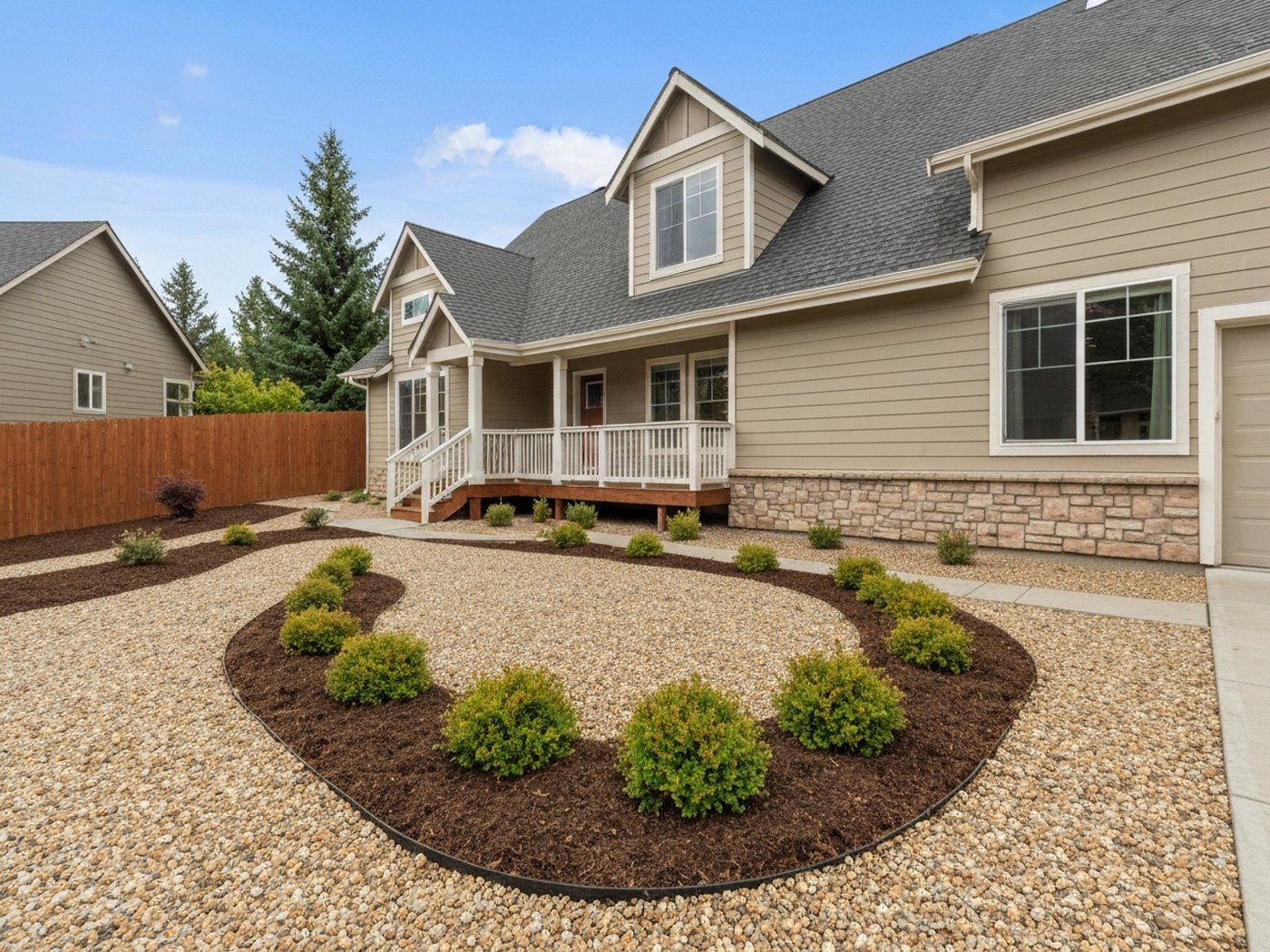
Most homeowners don’t hear about a defensible space inspection until the notice arrives or the non-renewal letter lands. California law (Public Resources Code 4291) mandates clearance in State Responsibility Areas. Oregon, Colorado, Nevada, and a growing list of states have parallel requirements. And beyond the fire agencies, insurance carriers increasingly send their own field representatives before renewing a policy in high-risk areas. Same clipboard, slightly different consequences.
Who sends inspectors your way
Three distinct sources send inspectors to residential properties.
Fire agencies. Cal Fire conducts inspections in California’s State Responsibility Areas and has authority to issue Notices of Violation with compliance deadlines and fines. Local fire departments do the same in their Local Responsibility Areas. The Colorado State Forest Service runs inspection programs in high-risk counties. Oregon’s Department of Forestry has its own defensible-space requirements that vary by geographic zone and forest type. The authority and enforcement mechanisms differ by state and jurisdiction, so your county fire department or state forestry agency is the place to confirm what actually applies to your parcel.
Insurance inspectors. Carriers send field representatives or use aerial imagery to assess properties at renewal. A poor inspection result can lead to a premium increase, added conditions with a 30-day deadline to fix specific items, or non-renewal. These inspectors have no enforcement authority, but their findings go straight to underwriting, so the consequences can arrive faster than a fire agency notice.
Mitigation programs. Firewise USA, run by the NFPA, offers community-level voluntary assessments. IBHS runs a “Wildfire Prepared Home” designation that includes a formal property inspection. In some states that designation is recognized by carriers as a mitigation credit. These programs are voluntary, and the value depends on whether your insurer participates.
What they check in Zone 0 (the first five feet)
Zone 0 is the newest addition to the standard three-zone model. Cal Fire formally added it around 2021, and IBHS research has consistently pointed to the first five feet of the foundation as the most common ignition point: embers land in combustible debris against the house and ignite from there.
Inspectors in Zone 0 are looking for:
Combustible mulch. Wood-chip mulch pressed against the foundation is a frequent failure. Standard guidance is non-combustible material in this zone: gravel, decomposed granite, concrete, or bare soil.
Vegetation. No shrubs, ground cover, or plantings touching the structure. Anything that can carry a flame to the siding is a problem, including ornamental grasses and flower beds that have dried out by late summer.
Firewood and lumber. A cord of wood stacked against the garage wall is a large fuel package. Standard guidance puts firewood at least 30 feet from the structure, or inside a non-combustible enclosed space.
Stored items and patio furniture. Plastic chairs, fabric cushions, doormats, propane tanks stored against the house. Inspectors flag combustible items under eaves and decks.
Gutters and the roof surface. This one trips up homeowners who have otherwise done the work. Packed gutters and needles sitting on the roof are ember fuel at the most vulnerable seam of the building: the line where the roof meets the fascia meets the eave. I’ve pulled dry needles out of gutters in late August that would light off a match. That debris is Zone 0 fuel in one of the worst possible locations on the house.

Inspectors check gutters and the roof surface. A packed gutter is exactly the kind of Zone 0 fuel they flag. Clean them before the inspection and keep them clean through fire season.
Zone 1: the treatment zone (5 to 30 feet)
Zone 1 is where most of the landscaping work happens. The goal isn’t bare dirt: it’s separating and thinning vegetation enough that a surface fire can’t climb from the ground into shrubs and then up into the tree canopy. Once fire gets into the canopy it moves fast and generates the kind of ember output that overwhelms everything downwind.
Ladder fuels are what inspectors focus on first. The term refers to any plant or branch structure that bridges a ground fire upward: tall grass to shrubs, shrubs to low branches, low branches to the full tree canopy. Cal Fire guidance calls for pruning lower tree limbs 6 to 10 feet from the ground, though this varies with tree species and slope. Shrubs should be spaced so canopies don’t touch each other or reach into the lower limbs of nearby trees.
Inspectors also want to see:
- Dead vegetation removed, not just cut and left on the ground.
- Grass mowed short through fire season. Brown dry grass is acceptable; tall brown grass is not. The common benchmark is 4 inches or under.
- Spacing between mature shrub groupings scaled to slope. On flat ground 10 feet between groups is a rough baseline. On a 30 percent slope the required separation roughly doubles, because steeper terrain accelerates fire uphill. Your local fire agency’s vegetation management guide will have the precise tables for your area.
Zone 2: the outer ring (30 to 100 feet)
Zone 2 extends from 30 to 100 feet from the structure, or to the property line if that’s closer. On steep slopes some states push it to 150 or 200 feet. The goal here is reducing the overall fuel load so a fire arriving from outside the property has less energy as it approaches.
Standards in Zone 2 are less strict than Zone 1. Inspectors are checking for:
- Dead trees and large dead shrubs removed.
- Visible separation between tree and shrub groupings (no wall of dense continuous vegetation).
- Slash and debris from vegetation work cleaned up, because cut branches piled and left are still fuel.
This is fuel-volume reduction, not a manicured landscape. Dense unmanaged native brush with no separation between plants is the red flag.
The roofline and gutters
Roofline condition comes up in almost every inspection, separate from the zone-by-zone vegetation review. The items inspectors commonly note:
Roof material. A Class A fire-rated roof, concrete or clay tile, metal, or a Class A-rated asphalt shingle, is the baseline in designated high-risk areas. Non-rated wood shakes are a significant flag, and some California counties prohibit re-roofing with them. The wildfire home hardening guide covers roofing material options in detail.
Gutters and the roof surface. Debris in gutters at the roofline is Zone 0 fuel, and in pine-heavy neighborhoods it is among the first things checked. A clogged gutter packed with dry needles is a long trough of ember-ready material running the perimeter of the roof, sitting directly against the fascia and the edge of the roof deck. IBHS research documents this concentration of debris at the roofline as a leading ignition pathway. It is also one of the most avoidable failures on a property.
Vents. Unscreened or under-screened vents, particularly at the foundation and under eaves, are ember entry points. Inspectors trained on IBHS standards or NFPA 1144 (the standard for reducing structure ignition hazards from wildland fire) will flag open vents. Ember-resistant mesh is a straightforward retrofit.
Deck material and storage. Wood decks attached to the house are a fuel surface. Combustible items stored under or on a deck against the structure are flagged in Zone 0.

Packed gutters are a classic inspection fail and a real ignition risk. If yours are full going into an inspection, expect a note. More importantly, clean them before fire season, not after.
What happens after the inspection
The outcome depends entirely on who inspected and under what authority.
Fire agency inspections with enforcement power can produce a Notice of Violation with a compliance deadline, typically 30 days in California. Miss it and the agency may perform the clearance work and bill you. Outstanding violation notices can complicate insurance renewals and, in some states, must be disclosed in a property sale.
Insurance inspections have no legal enforcement mechanism, but the findings go to underwriting immediately. You may receive a letter listing required actions with a deadline. Not responding can result in non-renewal. Respond quickly and document your completed work with dated photos.
Voluntary assessments (Firewise USA, IBHS Wildfire Prepared Home) carry no enforcement consequences. The IBHS designation requires passing a formal inspection, and some insurers recognize it for a mitigation credit or discount. Rules vary by carrier and state.
Whether mitigation work lowers your premium depends on your insurer, state, and policy. California requires admitted insurers to offer discounts under the “Safer from Wildfires” framework, but amounts and qualifying criteria differ by carrier. Other states have no equivalent requirement. Ask your insurer directly what documentation and work qualifies, and consult your state Department of Insurance for consumer protections in your area. This is educational context, not professional insurance advice. The wildfire home insurance guide covers the coverage-side picture in more depth.
How to prepare before the inspector arrives
Walk the property in roughly the same order the inspector will.
Start in Zone 0. Remove everything combustible within 5 feet of the building: wood mulch, potted plants pressed against the foundation, stored items under eaves, propane tanks against the wall. Swap wood mulch for gravel.
Clean the gutters and brush off any needles or debris on the roof surface. This takes an hour or two and eliminates one of the most common inspection flags. If you’re in a pine-heavy area and you’ve been putting it off, this is the one to do first.
Walk Zone 1 looking for ladder fuels. Prune low tree limbs. Separate shrubs that have grown into each other or into the lower canopy of nearby trees.
Check vents for screening. Foundation and attic vents without ember-resistant mesh are a quick, low-cost fix.
Photograph everything after the work is done. Dated documentation matters if you need to demonstrate compliance to a fire agency or an insurer, and it protects you if there’s any dispute about condition at the time of the inspection.
FAQ
What zones does a defensible space inspection cover? Most inspections address three zones: Zone 0 (the first 5 feet from the structure), Zone 1 (5 to 30 feet), and Zone 2 (30 to 100 feet, or further on steep slopes). Zone 0 was formalized more recently and focuses on keeping combustible material off and away from the building itself. Each zone has different vegetation and clearance standards. Your local fire agency or state forestry department has the exact requirements for your terrain and jurisdiction.
Who has the authority to require defensible space clearance? In California, Cal Fire has enforcement authority in State Responsibility Areas; local fire departments cover Local Responsibility Areas. Other states with defensible-space laws, including Oregon, Colorado, and Nevada, have their respective agencies with their own rules. Insurance inspectors cannot issue legal orders, but their findings directly affect your coverage. If you receive a notice from a fire agency, treat it as a legal deadline with real consequences for ignoring it.
Can clearing defensible space lower my insurance premium? It may, but the results vary by insurer, state, and policy. California requires admitted insurers to offer mitigation discounts under the “Safer from Wildfires” framework, and IBHS’s “Wildfire Prepared Home” designation is recognized by some carriers. Outside California, no universal requirement exists. Ask your insurer directly what work and documentation qualifies for a discount, and check with your state Department of Insurance for any consumer protections that apply.
My gutters are full of pine needles. Will that actually come up in an inspection? Yes, regularly. Debris in gutters is a common Zone 0 inspection note, because a packed gutter is ember fuel at the roofline, and that specific ignition pathway (embers landing in dry gutter debris pressed against the fascia) comes up repeatedly in wildfire loss research. Clean them before the inspection. If you’re in a conifer-heavy area and cleaning them two or three times a year has become unsustainable, a stainless micro-mesh guard system is worth considering. The specifics on what works in a fire zone are in best gutter guards for pine needles and fire debris.
Related guides
Class A Roofing Shingles: The Fire-Rated Choice for Asphalt Roofs
Class A asphalt shingles carry the highest fire rating for roofing in the US and are the baseline for any wildfire-resilient roof in a fire-prone state.
Read the guide →What Is a Class 4 Roof? Impact Resistance and Insurance Savings
A Class 4 impact-resistant roof can earn meaningful insurance discounts and adds roofline durability, but it is not the same as a fire rating. Here is what to know.
Read the guide →Class A Roof Assembly: How the Whole System Earns Its Rating
A Class A fire rating applies to the whole roof assembly, not just the shingles, and understanding the difference changes how you approach re-roofing in fire country.
Read the guide →Keep ignitable debris out of your roofline
Get a free, no-obligation LeafFilter gutter-protection assessment. Fine micro-mesh keeps leaves and pine needles out of the gutters, the spot where wind-blown embers love to land. Booking through us supports this site.
Get a free LeafFilter assessment →